November 24, 2026
Most foundation moisture problems do not announce themselves with knee-deep puddles overnight; instead, they start quietly with a faint earthy smell at the bottom of the basement stairs or a dark damp patch along a cinder block wall after a spring rainstorm. Homeowners often brush off those subtle warning signs as normal basement humidity or throw a scented candle near the laundry room and hope the air clears up on its own. Unfortunately, water pushing against underground masonry never simply dries up and goes away without proper intervention.
Catching early moisture clues before hydrostatic pressure widens hairline cracks or rots wooden floor joists protects both the living environment and your biggest financial asset. According to Regional Foundation Repair, in terms of resale, water damage and mold can reduce a property's value by 25%. Investing in timely waterproofing stops groundwater intrusion at the source and keeps your lower level clean, dry, and structurally sound. Recognizing the subtle signals your foundation sends early on helps you resolve minor seepage before it turns into major structural repair work.
Spotting Dark Water Stains and Damp Basement Walls
One of the earliest visual clues of underground water pressure is a darkened ring or damp streak appearing near the bottom third of poured concrete or cinder block foundation walls. Even when water is not actively trickling onto the floor, saturated soil outside forces moisture steadily through porous masonry pores like a slow-moving sponge. You might notice concrete blocks looking darker after heavy rainstorms or feeling noticeably cool and clammy to the touch compared to upper wall sections.
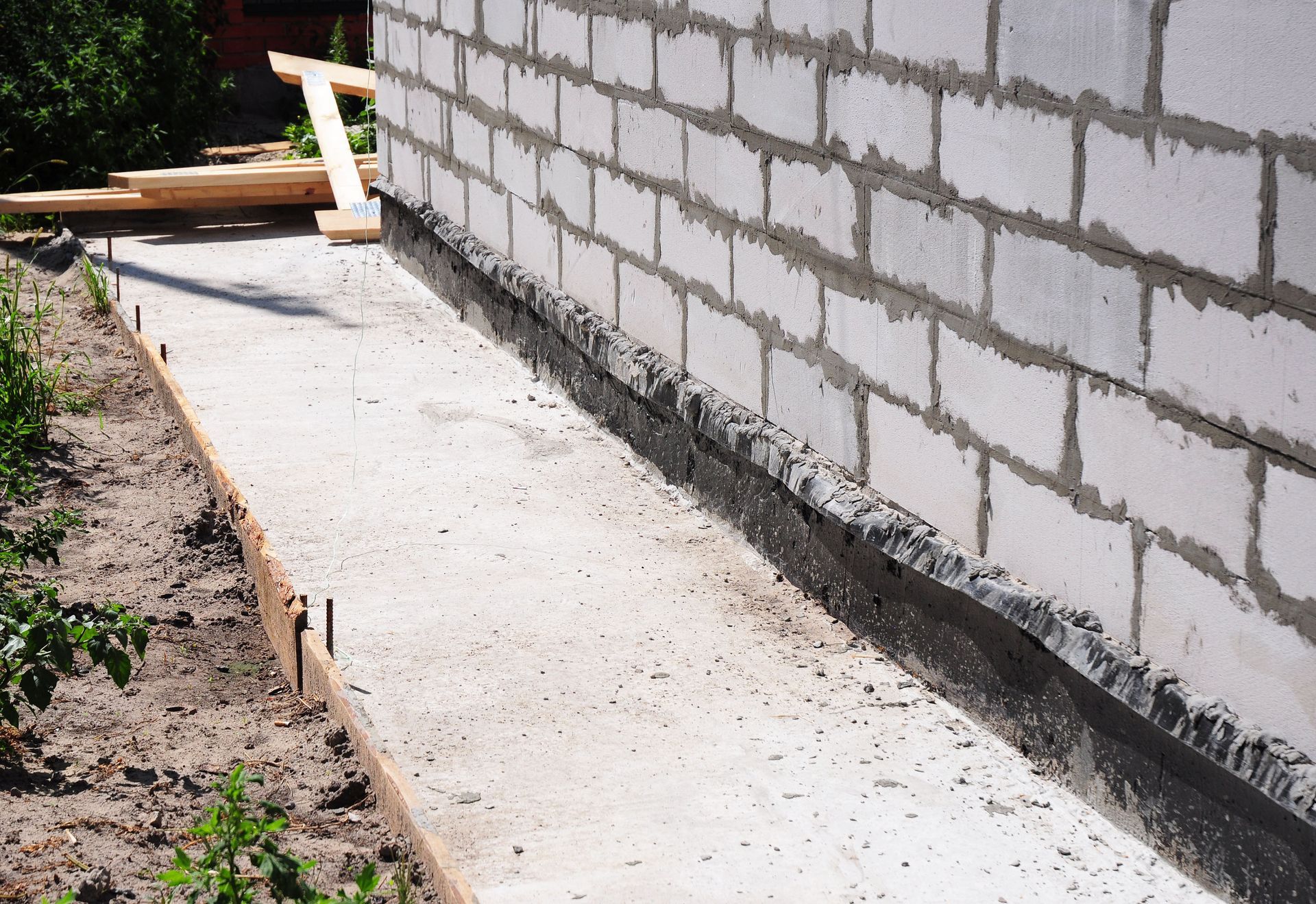
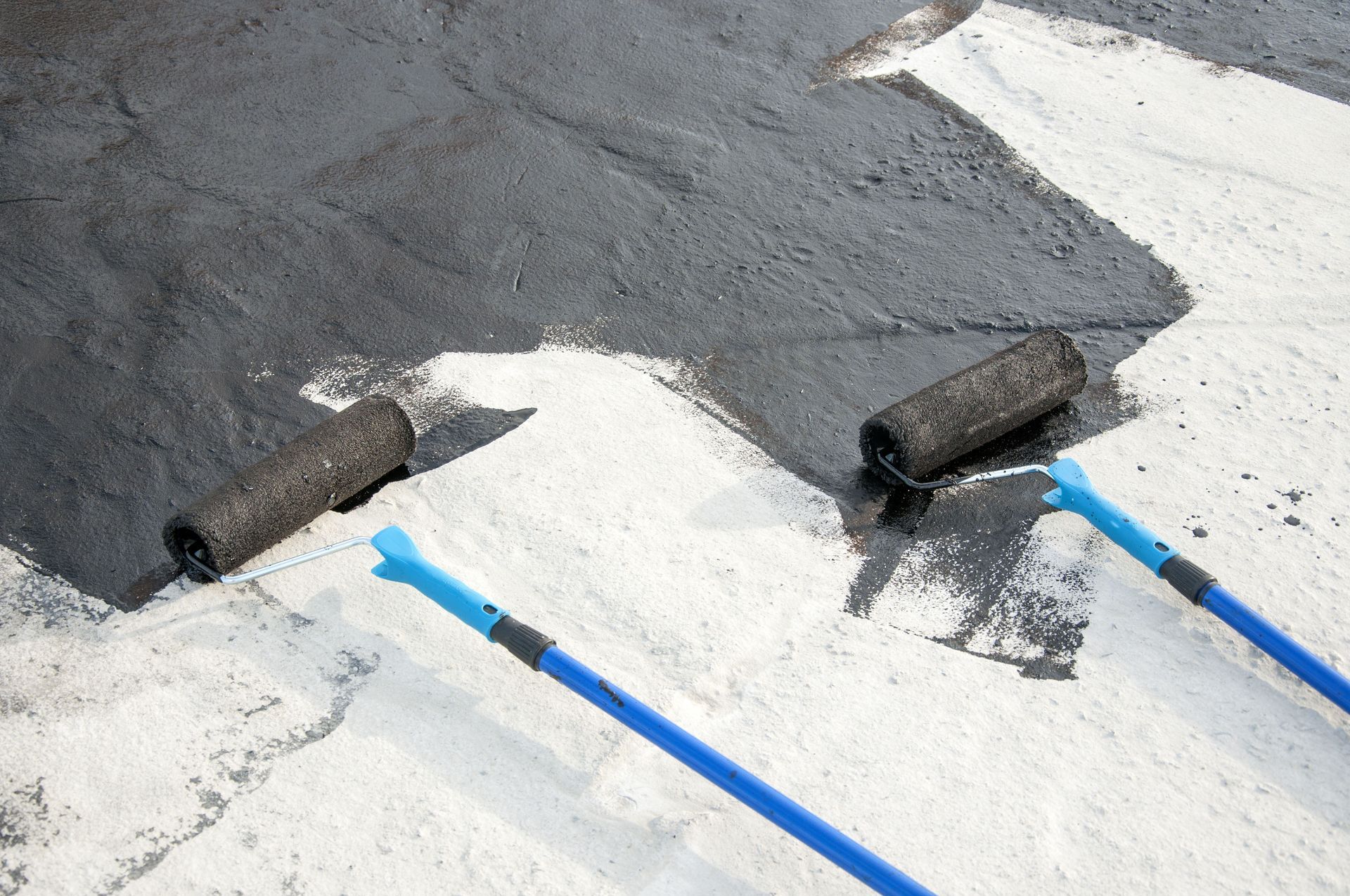
Addressing damp masonry early with targeted waterproofing prevents continuous moisture cycles from weakening mortar joints and interior finishes. Technicians evaluate whether groundwater is seeping through wall pores, cove joints, or window wells before applying breathable wall sealants, vapor barriers, or exterior foundation membranes. Stopping dampness early keeps basement air crisp and prevents paint or drywall from blistering.
Noticing Persistent Musty Odors and Stale Indoor Air
That familiar, earthy "old basement" smell is not an unavoidable quirk of owning a home—it is the direct result of trapped moisture, damp concrete, and microscopic mold or mildew spores thriving in humid air. Because warm air naturally rises upward through a house via the stack effect, damp air from your basement or crawlspace gets pulled straight up into your kitchen, hallways, and bedrooms every time your furnace or air conditioner cycles on.
Eliminating chronic musty odors requires professional waterproofing combined with balanced air circulation and vapor control. Installing basement ventilation systems, sealing porous block walls, and encapsulating damp crawlspaces strip away the excess humidity that mold spores need to survive. Once moisture sources are sealed off, the entire house smells fresher and feels noticeably more comfortable.
Finding White Chalky Efflorescence on Concrete Surfaces
If you spot a powdery, white crystalline crust flaking across bare brick, stone, or concrete basement walls, you are looking at efflorescence. This chalky residue forms when groundwater dissolves natural mineral salts inside soil and masonry as it seeps through the wall, leaving those white mineral deposits behind on the interior surface once the water evaporates. While efflorescence itself is just harmless salt powder, it serves as clear physical proof that water is actively traveling through your foundation walls.
Responding to white mineral deposits with comprehensive waterproofing addresses the underlying water pathway rather than merely brushing powder off the wall. Sealing exterior foundation walls, installing interior perimeter drains, and relieving soil saturation around the house stop mineral-laden groundwater from migrating through concrete. Catching efflorescence early lets you fix seepage long before structural cracking begins.
Seeing Peeling Paint, Bubbling Drywall, and Warped Wood
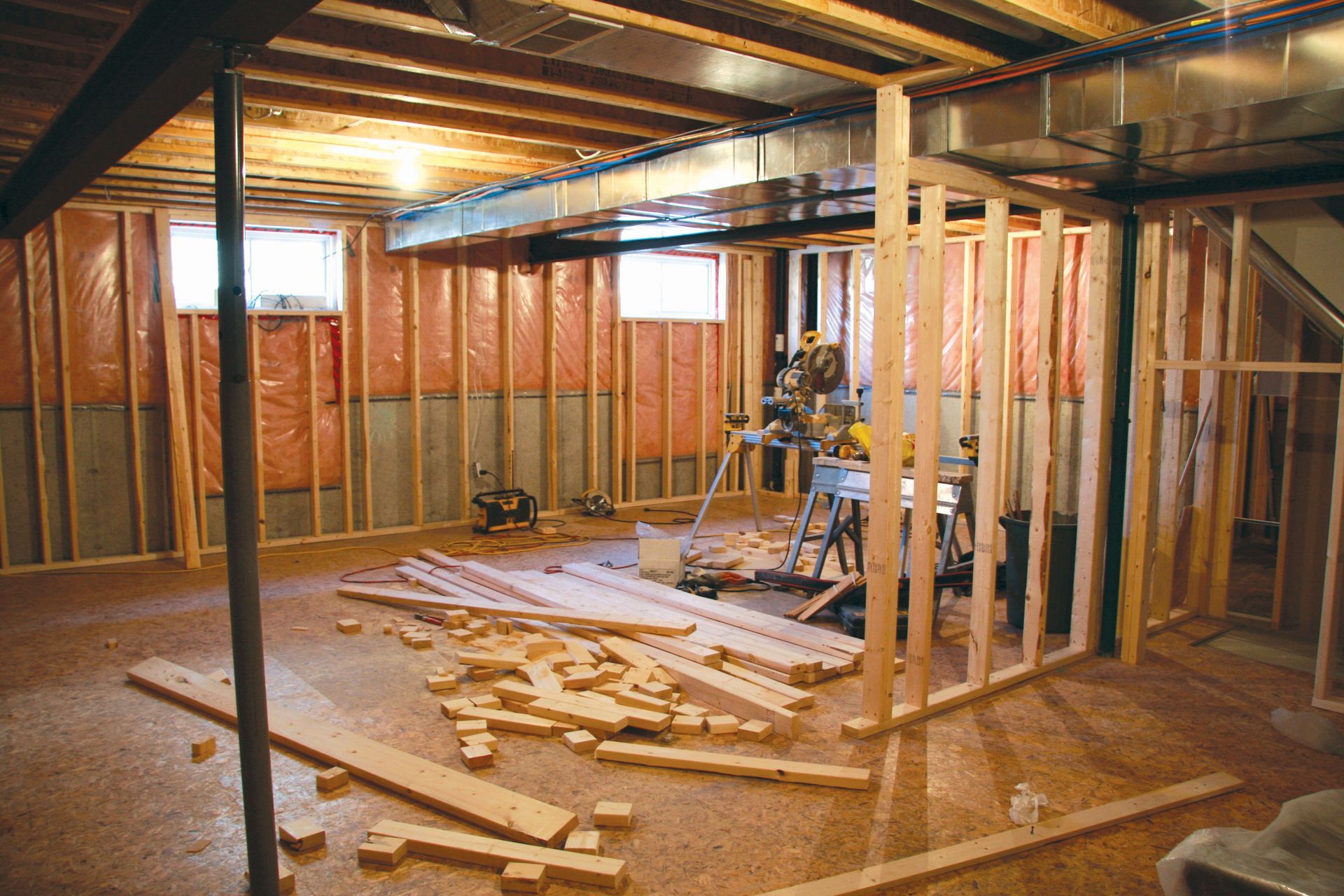
Finished basements often hide early foundation leaks behind drywall panels, wood trim, and laminate flooring until trapped moisture forces surface materials to fail. Watch closely for interior wall paint blistering outward, baseboard trim swelling or pulling away from the wall, carpet tack strips rusting, or vinyl planks cupping near exterior walls. These cosmetic blemishes signal that dampness is building up directly behind your finished walls.
Protecting finished living spaces with reliable waterproofing preserves your remodeling investment and prevents hidden mold growth behind drywall. Experienced specialists locate the exact entry point using moisture diagnostics, seal wall cracks cleanly, and install discreet perimeter drainage channels along the footing. Keeping water away from framing and trim saves you from tearing out ruined drywall later.
Discovering Hairline Wall Cracks and Floor Seepage
Every foundation experiences slight natural settling over decades, yet horizontal cracks, stair-step cracks along mortar joints, or widening vertical fissures demand prompt attention. When heavy rain saturates surrounding clay soil, intense hydrostatic pressure pushes water directly through those openings and along the cove joint where the foundation wall meets the basement floor slab. Even a trickle of water after storms steadily erodes concrete edges and widens cracks further during winter freeze-thaw cycles.
Reinforcing vulnerable concrete with specialized waterproofing and structural crack repairs restores a tight, dependable seal against groundwater intrusion. Technicians inject flexible elastomeric resins deep into wall cracks and pair repairs with interior perimeter drains and battery-backed sump pumps. Stopping active floor seepage protects stored items and keeps lower-level walkways dry year-round.
Observing Pooling Yard Water and Overflowing Window Wells
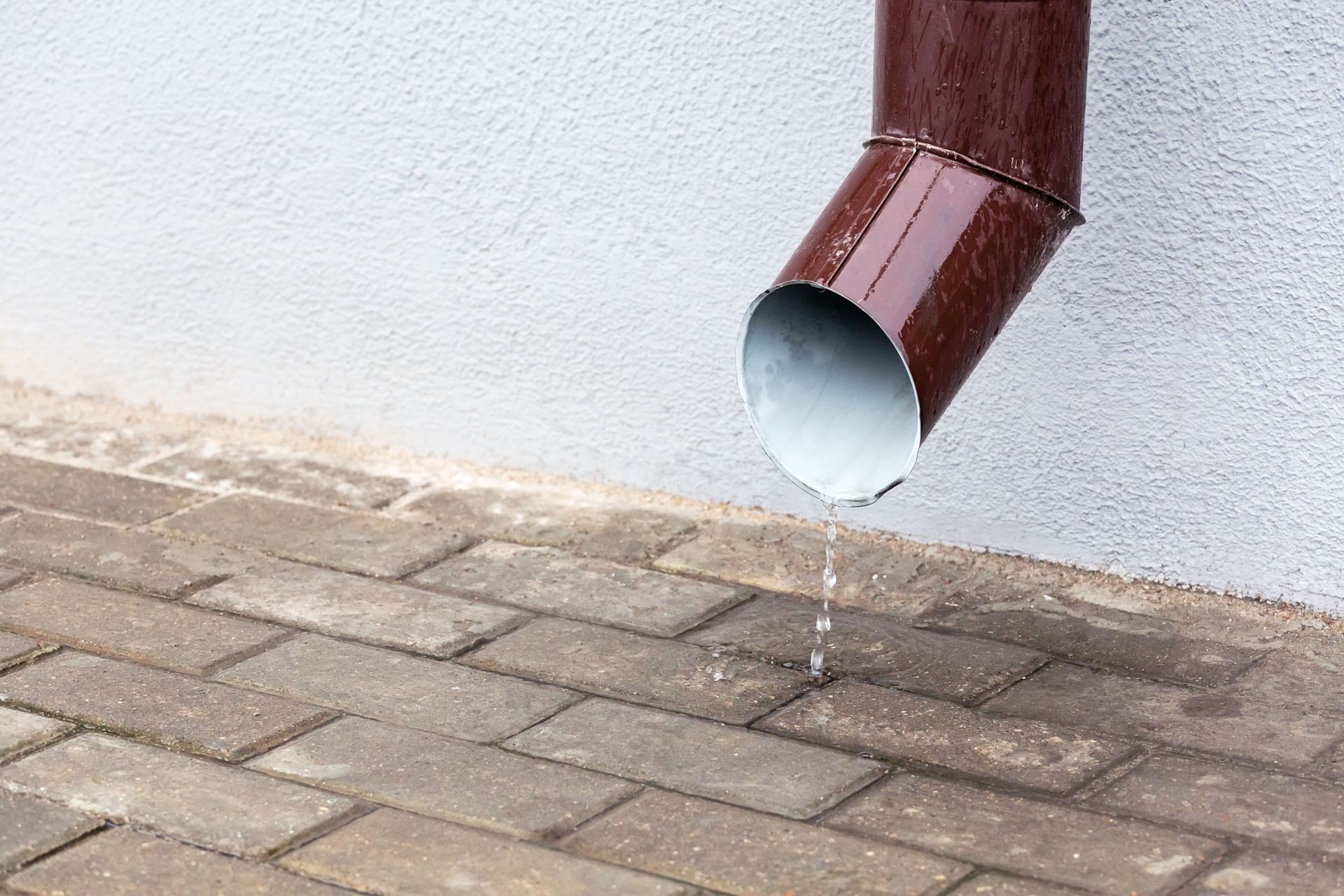
Sometimes the clearest warning signs appear outdoors around your home's perimeter long before water ever reaches inside walls. Grading that slopes toward the house, short downspouts dumping roof runoff right next to the foundation, soggy lawn spots that linger days after rainfall, and basement window wells filling up like miniature fishponds all point to overloaded drainage around your footing.
Pairing exterior waterproofing with custom French drains and upgraded window well drainage redirects surface and subsurface runoff safely away from your foundation walls. Perforated underground drainage pipes surrounded by washed stone intercept groundwater before it builds pressure against masonry. Managing outdoor drainage relieves stress on your foundation and keeps basement windows dry during heavy storms.
Feeling Dampness and Drafts Above Unsealed Crawlspaces
Homes built over vented dirt or gravel crawlspaces often show subtle moisture clues on the main living floor rather than in a full basement. Sagging hardwood floorboards, bouncy subfloors, condensation on air ducts, and chilly winter drafts rising through floor registers frequently trace back to high humidity trapped beneath the house. Left unchecked, damp crawlspace air encourages wood rot across floor joists and support beams.
Securing your lower structure through crawlspace encapsulation and waterproofing seals bare earth behind heavy-duty vapor barriers and insulates foundation walls. Sealing ground moisture stabilizes indoor humidity, protects structural wood framing, and lowers seasonal heating and cooling expenses. A dry, conditioned crawlspace makes every room above it feel warmer and healthier.
Subtle clues like damp concrete walls, lingering musty odors, chalky white efflorescence, bubbling paint, hairline foundation cracks, and soggy yard grading are your home's early warning system. Ignoring these signals gives underground water pressure time to weaken mortar joints, rot wooden framing, and invite unhealthy mold growth that drags down property value. Addressing moisture intrusion early with interior perimeter drains, sump pumps, crawlspace vapor barriers, exterior membranes, and custom French drains keeps your foundation dry and resilient through every storm.
Working with seasoned local specialists who diagnose root causes accurately ensures lasting protection tailored to your exact home. When you are ready for a thorough inspection, a free same-day estimate, and proven residential waterproofing backed by over thirty-five years of experience, contact Pro Dry Waterproofing LLC online today.