October 30, 2026
Poor drainage can create serious problems for a home's foundation, from persistent basement moisture to cracks, uneven floors, and structural instability. When rainwater collects near a building instead of flowing away, the surrounding soil can become saturated and place additional pressure on foundation walls. Understanding these risks helps homeowners recognize warning signs and protect their properties. Proper drainage, timely repairs, and professional foundation sealing can help reduce moisture intrusion and preserve long-term stability.
Understanding Foundation and Drainage Systems
Recognizing the Purpose of a Foundation
A foundation transfers a building's weight to the underlying soil, helping keep the structure stable and level. Its design depends on soil composition, climate, building size, and whether the home includes a basement or crawl space. When the surrounding soil shifts or loses its ability to support the structure, the foundation may develop cracks or settle unevenly. Protecting this essential component requires attention to construction quality and environmental conditions.
Understanding the Role of Drainage
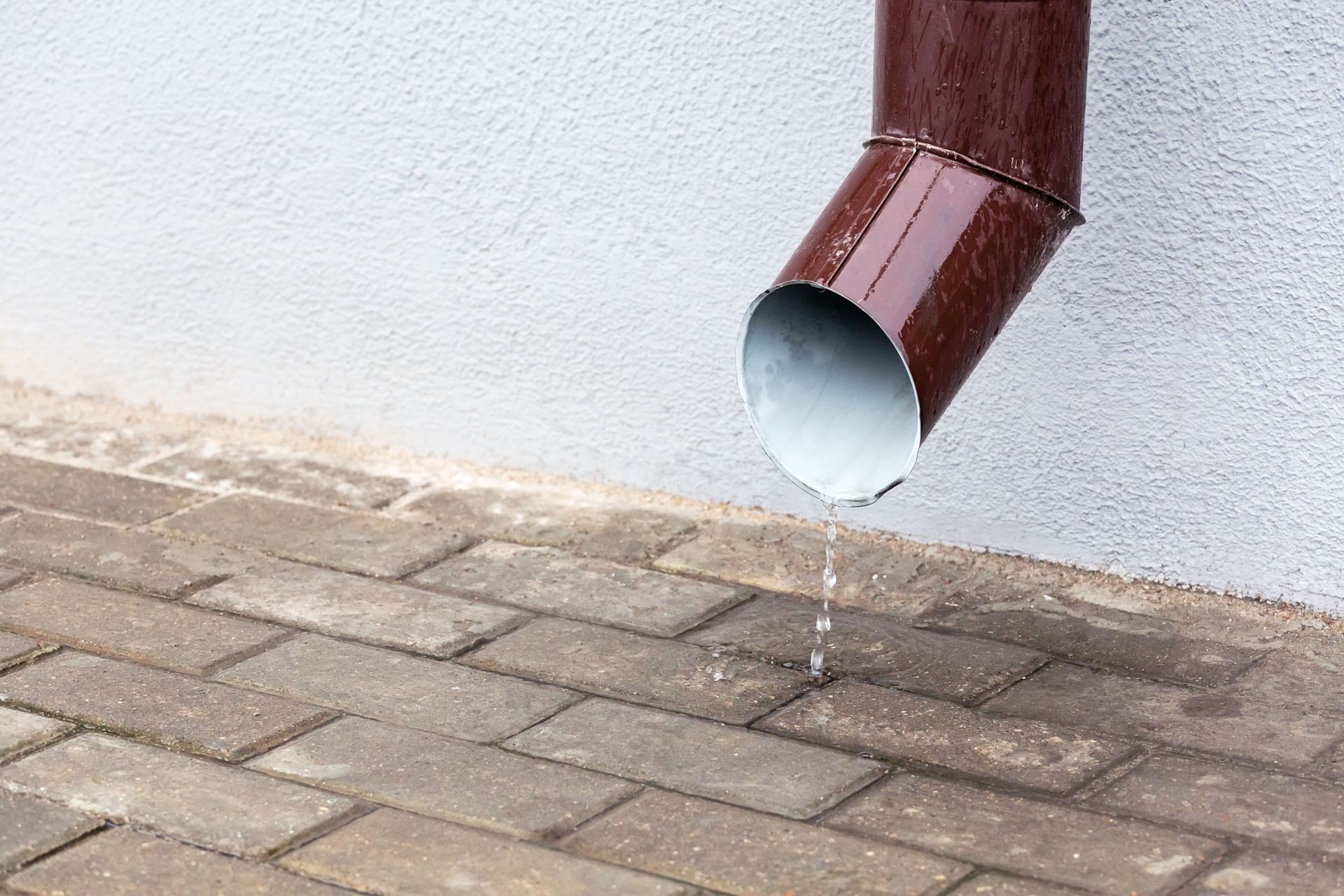
Drainage systems direct rainwater and groundwater away from the home, limiting moisture accumulation around foundation walls. Gutters, downspouts, exterior grading, and underground drains all contribute to effective water management. When these features fail, water can collect near the foundation and weaken the surrounding soil. Foundation sealing provides additional protection against moisture entering through vulnerable areas, especially when combined with drainage improvements.
Identifying Common Foundation Vulnerabilities
Different foundation types face different moisture-related risks. Slab foundations may develop cracks as soil expands and contracts, while basement foundations are vulnerable to seepage through walls, joints, and floor cracks. Crawl spaces can accumulate moisture, encouraging mold and wood rot. Understanding these vulnerabilities helps homeowners choose appropriate preventive measures.
Understanding How Water Saturates Soil
Recognizing the Effects of Excess Moisture
Soil becomes saturated when it receives more water than it can effectively drain. Poor drainage allows moisture to accumulate around foundation walls, increasing hydrostatic pressure against the structure. Over time, this pressure may force water through small openings or contribute to cracks. Effective water management reduces these risks, while foundation sealing helps address vulnerable points where moisture could enter the home.
Evaluating Rainfall and Surface Runoff
Heavy rainfall can overwhelm gutters, drains, and other systems designed to carry water away from a property. If downspouts discharge too close to the house or the yard slopes toward the building, runoff may collect along foundation walls. Repeated exposure can increase soil movement and create persistent basement dampness. Keeping drainage pathways clear and directing water away from the structure can prevent these problems from worsening.
Comparing Soil Types and Water Retention
Soil composition influences how water moves around a foundation. Sandy soil generally drains readily, while clay-rich soil retains moisture and expands as it absorbs water. When clay dries, it may shrink, causing the ground to move beneath the structure. These changes can contribute to uneven settling and foundation stress. A drainage plan tailored to local soil conditions helps limit moisture fluctuations and support structural stability.
Recognizing Structural Damage From Poor Drainage
Identifying Cracks in Walls and Floors
Cracks in basement walls, concrete floors, and interior drywall can indicate movement or moisture-related stress. Although some small cracks develop naturally as materials settle, widening openings, recurring leaks, and horizontal foundation cracks deserve attention. Water may enter through these openings and worsen deterioration. Foundation sealing can prevent moisture from passing through suitable cracks and joints, although structural damage should be evaluated before repairs begin.
Detecting Uneven Floors and Foundation Settling
Sloping floors, sticking doors, and windows that become difficult to open may signal changes in a home's foundation. When saturated soil loses stability or expands unevenly, parts of the structure may shift. These symptoms can have other causes, so a professional inspection is important. Correcting drainage problems and addressing underlying foundation movement can help prevent further deterioration.
Preventing Basement Leaks and Water Seepage
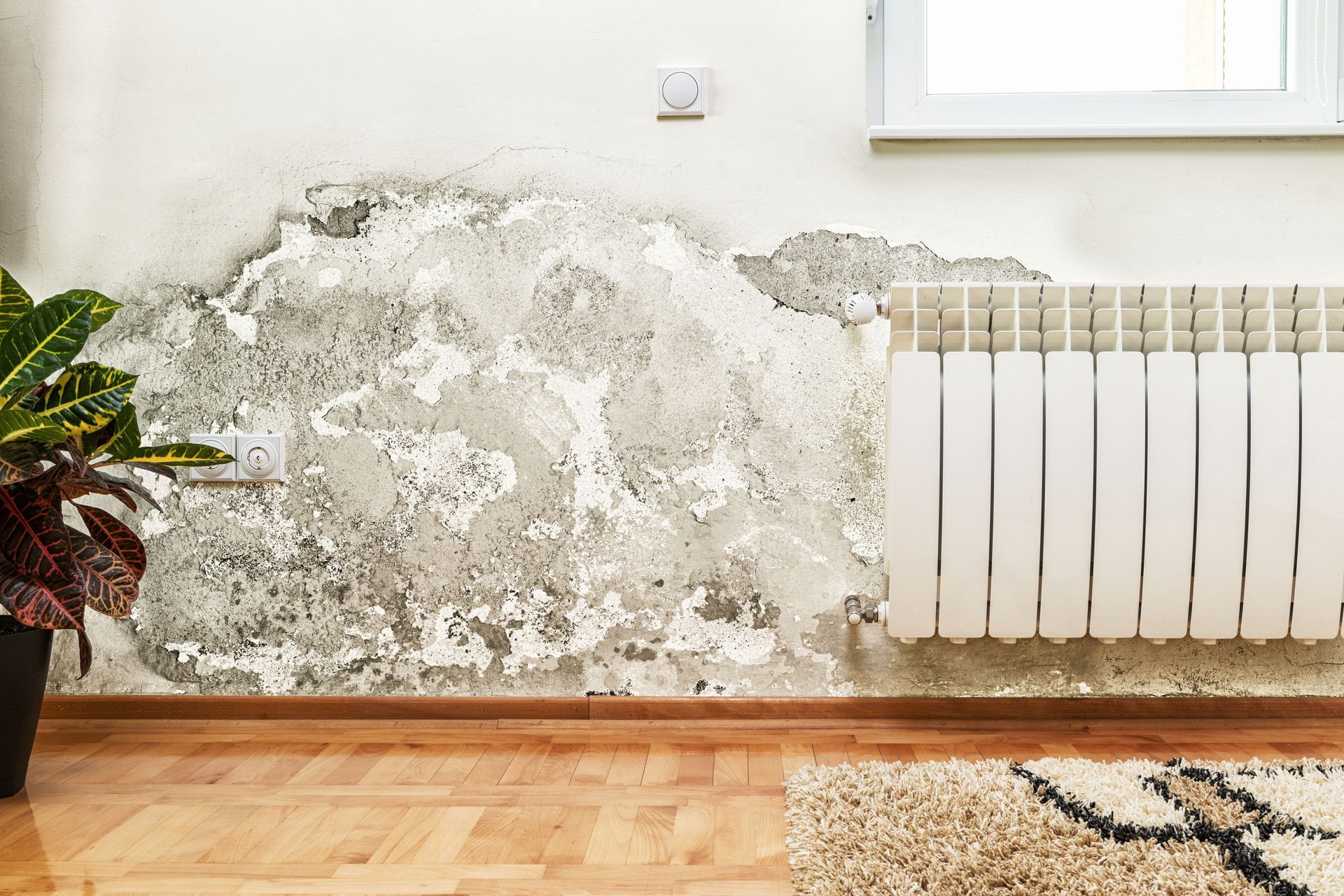
Basement moisture is a common consequence of ineffective drainage, particularly when groundwater presses against foundation walls. Water may seep through porous concrete, construction joints, or existing cracks, leaving damp spots, stains, and musty odors. According to Regional Foundation Repair, over 60% of current homes with basements have a moisture problem. This highlights the widespread nature of basement moisture concerns. Drainage improvements, crack repairs, and foundation sealing can help reduce water intrusion and protect interior spaces.
Protecting Home Value and Indoor Safety
Maintaining Property Value
Visible foundation damage and recurring water intrusion can make a property less appealing to prospective buyers. Buyers may worry about repair costs, hidden structural problems, or ongoing basement moisture. Addressing drainage concerns early helps preserve the home's condition and reduce the likelihood of extensive damage. Records of inspections and completed repairs can also demonstrate that moisture problems have received attention.
Reducing Repair and Insurance Costs
Neglected drainage issues can lead to expensive repairs involving foundation walls, flooring, damaged belongings, and interior finishes. Insurance coverage varies by policy, and many policies exclude certain types of flooding or gradual seepage. Homeowners should review their coverage rather than assume all moisture-related damage is insured. Preventive maintenance and timely foundation sealing may help limit risks, although neither guarantees that future repairs or insurance costs will be avoided.
Limiting Mold and Indoor Moisture
Persistent dampness creates favorable conditions for mold and mildew, particularly in poorly ventilated basements and crawl spaces. These conditions may produce unpleasant odors and aggravate allergies or respiratory symptoms in sensitive individuals. Removing standing water, correcting moisture sources, and improving ventilation can support a healthier indoor environment. Cosmetic repairs alone will not resolve the problem if water continues entering the building.
Improving Drainage and Foundation Protection
Installing Effective Drainage Solutions
Several drainage improvements can prevent water from collecting around a foundation. French drains can redirect groundwater, while maintained gutters and extended downspouts move roof runoff away from the house. Exterior grading encourages surface water to flow away from the building. The right combination depends on the property's layout, soil conditions, and moisture source. Addressing these factors before applying foundation sealing helps create a more effective approach to water protection.
Scheduling Regular Inspections and Maintenance
Routine inspections can identify clogged gutters, damaged downspouts, deteriorating sealants, and early signs of water intrusion. Homeowners should check basement walls for new stains and inspect accessible foundation areas after heavy rainfall. Professional evaluations are especially valuable when cracks are growing or moisture repeatedly returns. Regular maintenance helps catch developing issues before they become expensive repairs.
Using Landscaping to Direct Water Away
Landscaping choices influence how water moves around a home. Soil should generally slope away from the foundation, and garden beds should not obstruct drainage pathways. Plants may help manage moisture in suitable locations, but they cannot replace proper grading or engineered drainage systems. Homeowners should also ensure irrigation systems do not repeatedly soak the soil beside foundation walls. Thoughtful landscaping supports effective drainage and foundation protection.
Applying Professional Guidance and Standards
Learning From Common Drainage Problems
Recurring basement leaks often reveal problems that extend beyond a single crack. For example, a downspout releasing roof runoff beside a basement wall can repeatedly saturate the soil, allowing water to enter through existing weaknesses. Repairing the opening without correcting the runoff may leave the underlying cause unresolved. Understanding how water travels across the property helps homeowners choose more effective solutions.
Following Professional Recommendations
Foundation and drainage professionals can assess soil conditions, inspect damage, and determine whether water is entering through cracks, joints, or other vulnerable areas. Recommendations may include drainage modifications, crack repairs, waterproofing, or foundation stabilization. Foundation sealing works best when the selected method matches the moisture source and the structure's condition. A qualified assessment helps homeowners prioritize appropriate repairs.
Maintaining Appropriate Installation Practices
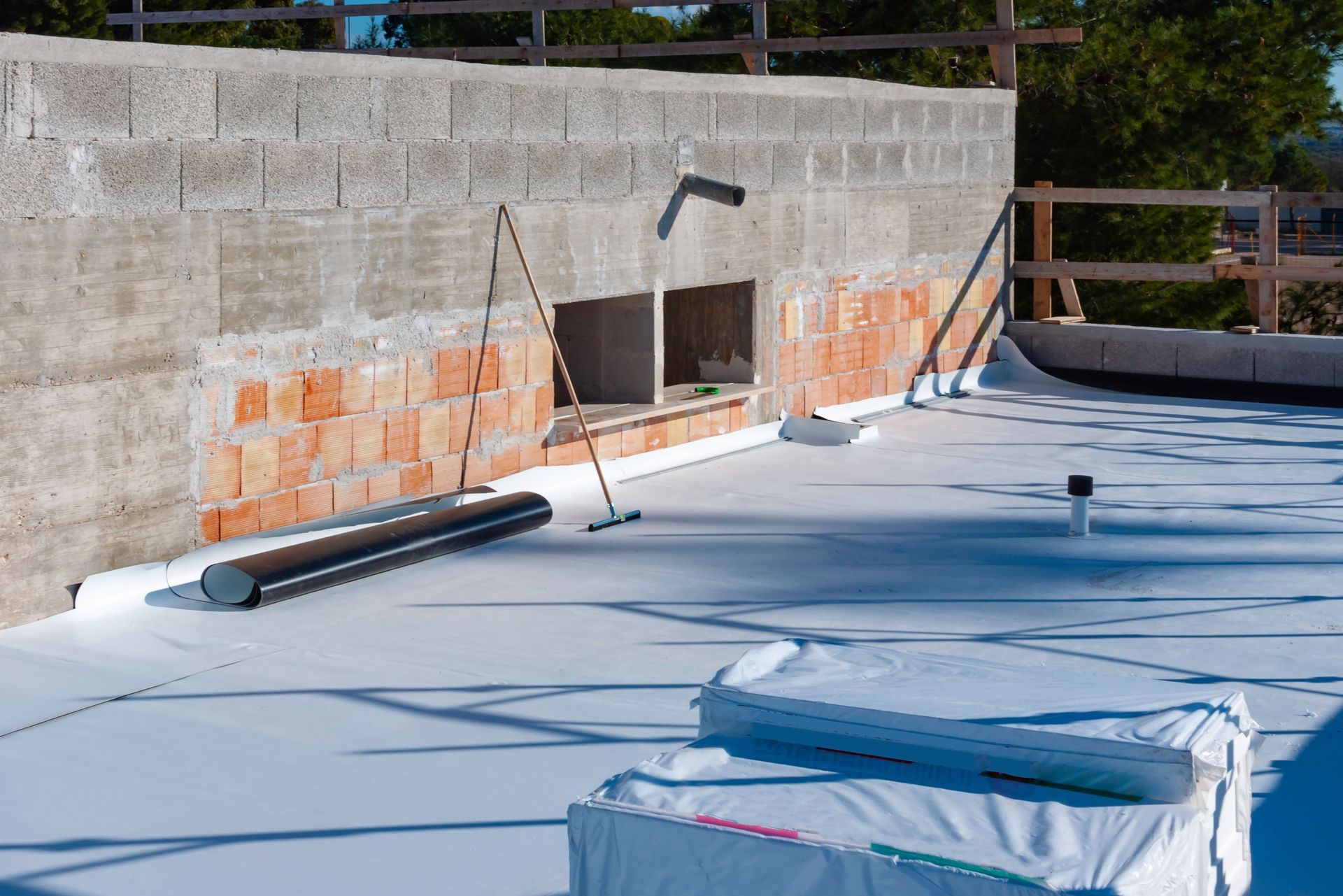
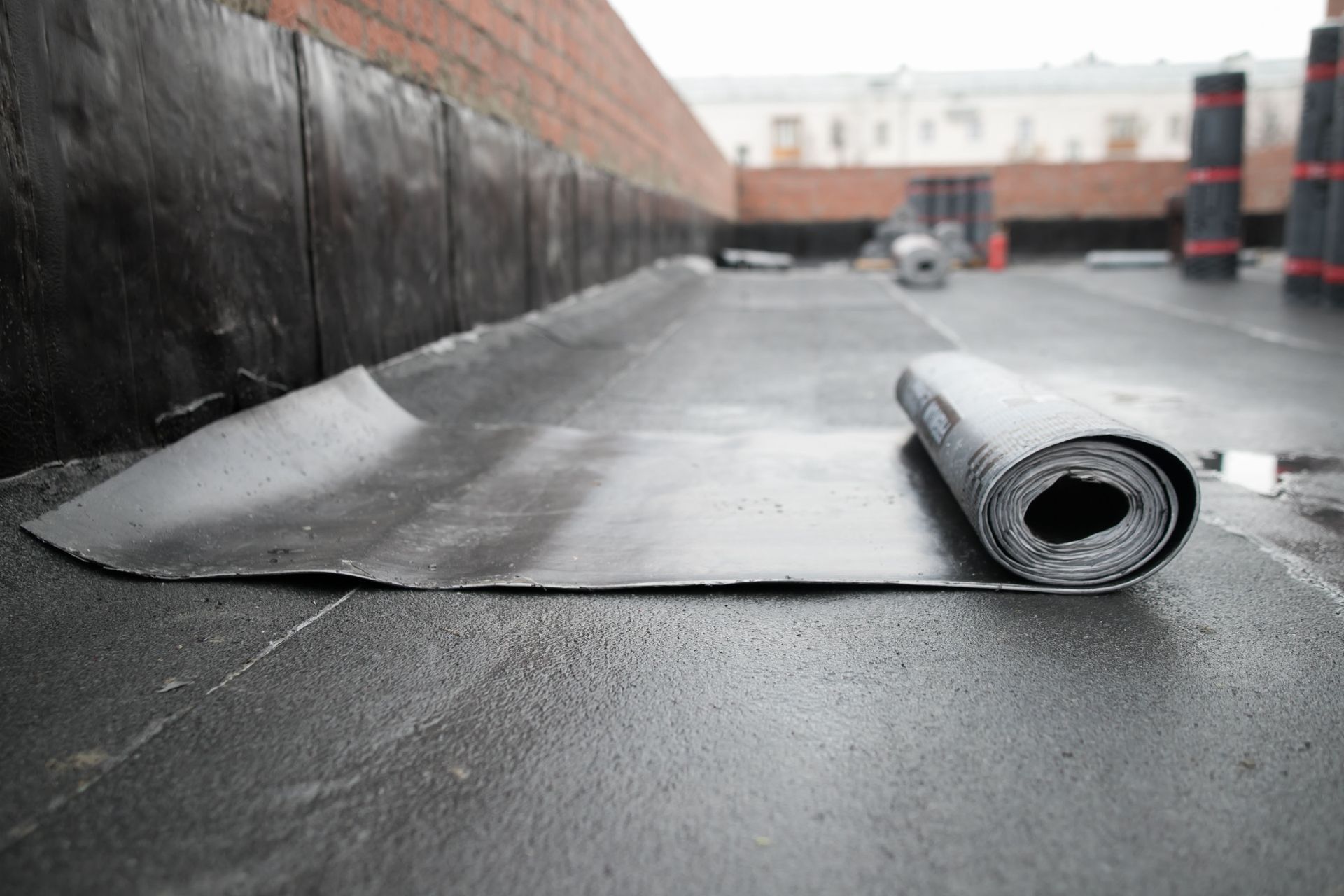
Drainage and waterproofing projects should follow applicable building requirements and manufacturer instructions. Proper materials, installation methods, and discharge locations influence system performance. Local conditions may also affect which solutions suit a particular property. Experienced professionals can help ensure repairs address the actual problem and drainage improvements function as intended.
For help addressing moisture concerns and protecting your home's foundation, contact Pro Dry Waterproofing LLC to discuss your property's needs. A professional evaluation can determine whether drainage improvements, foundation sealing, or other waterproofing measures are appropriate for creating a drier, better-protected home.