October 24, 2026
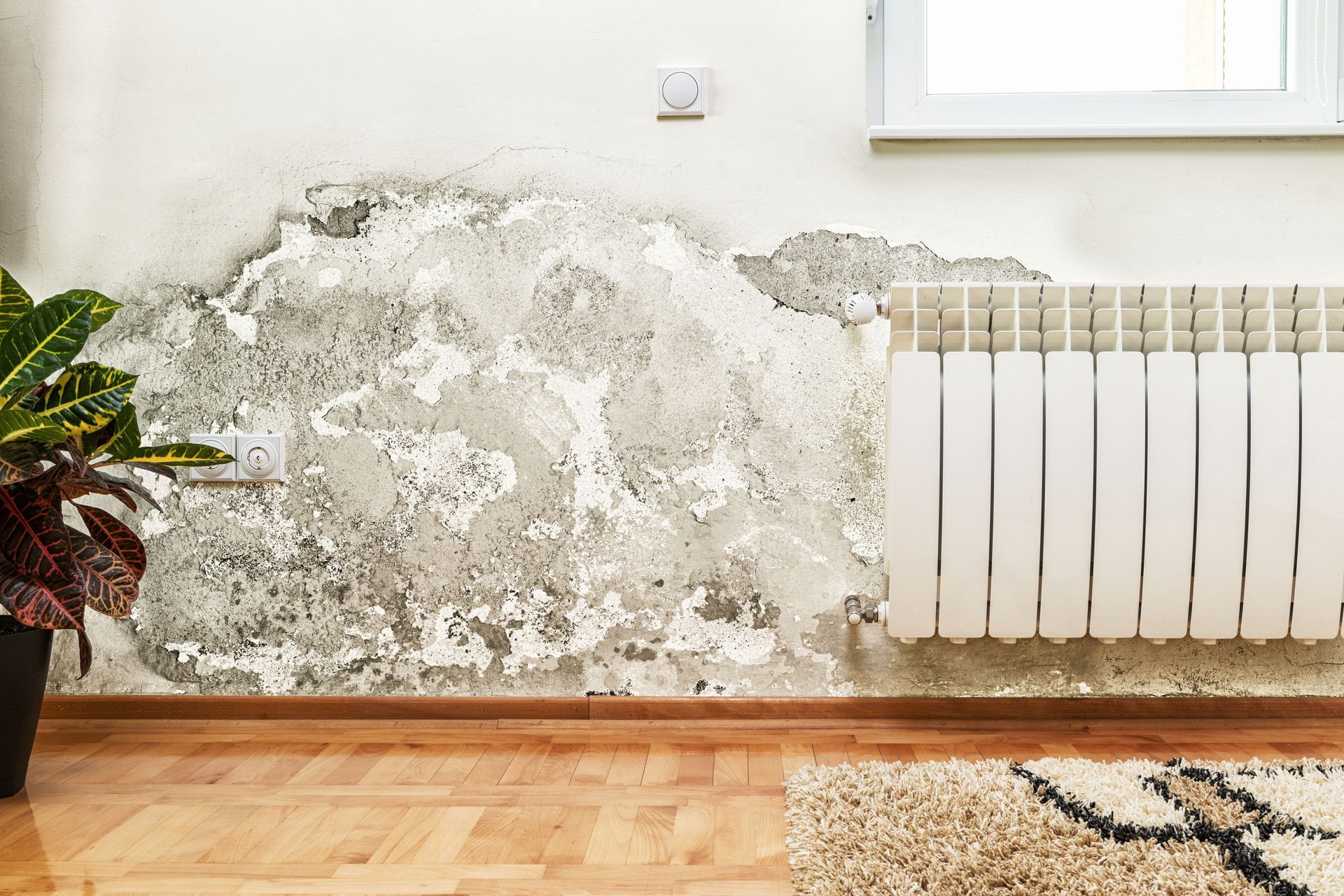
Water intrusion poses one of the most persistent and destructive threats to residential structures, silently compromising building materials, damaging personal property, and undermining foundational stability over time. Rainwater, subterranean groundwater, high humidity, and plumbing leaks continuously exert physical pressure against a home’s exterior envelope. When protective barriers degrade or structural elements shift, water finds the path of least resistance, penetrating small cracks, porous masonry, and unsealed joints. Unchecked moisture infiltration leads to wood rot, rusting structural fasteners, ruined drywall, ruined flooring, and persistent mold growth that poses serious respiratory health risks for household members. Furthermore, prolonged moisture exposure degrades structural concrete and masonry, leading to catastrophic structural failures and severe loss of home equity.
Protecting a residence against water damage requires a comprehensive understanding of where water intrusion typically occurs and how various structural components interact with environmental moisture. Homeowners often assume that a sturdy roof provides total weather protection, but water intrusion frequently originates along foundation walls, window perimeters, chimney flashings, exterior decks, and subterranean basements. Identifying these vulnerable zones before visible water stains, musty odors, or standing water appear allows property owners to take proactive protective measures. Exploring the key areas of a home susceptible to moisture penetration reveals how advanced barrier systems, proper drainage infrastructure, meticulous sealing, and master technical craftsmanship combine to safeguard residential properties from costly water damage.
Inspecting Foundation Walls and Subterranean Basements
Inspecting foundation walls and basement spaces reveals the most critical defense zone against aggressive groundwater and hydrostatic pressure. Heavy rainfall and melting snow saturate surrounding soil, creating immense lateral pressure that forces groundwater through porous concrete, block mortar joints, and settling cracks in foundation walls. Once water breaches foundation barriers, it collects along basement floors, saturates lower drywall panels, and creates ideal conditions for toxic mold colonies to thrive.
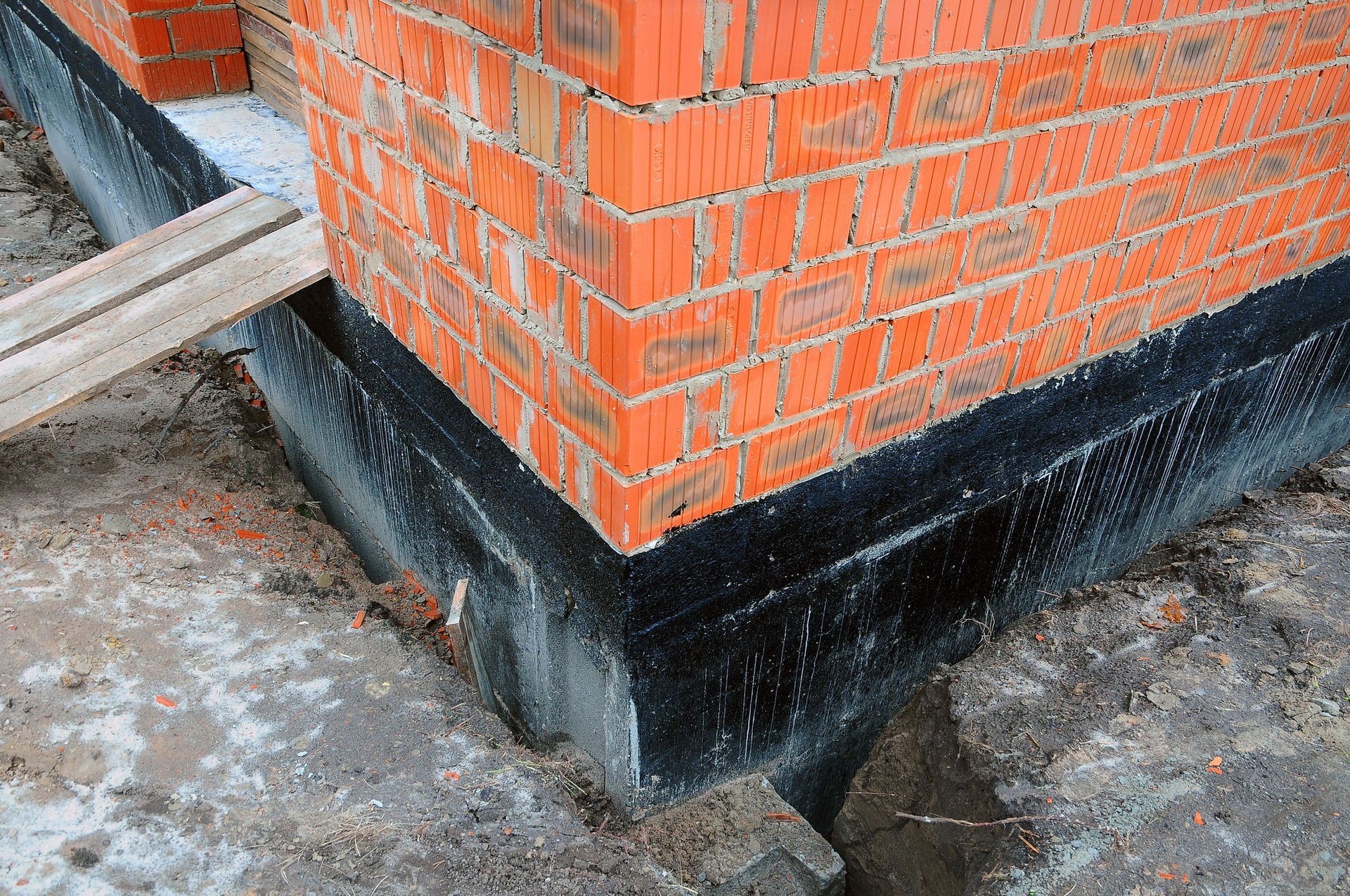
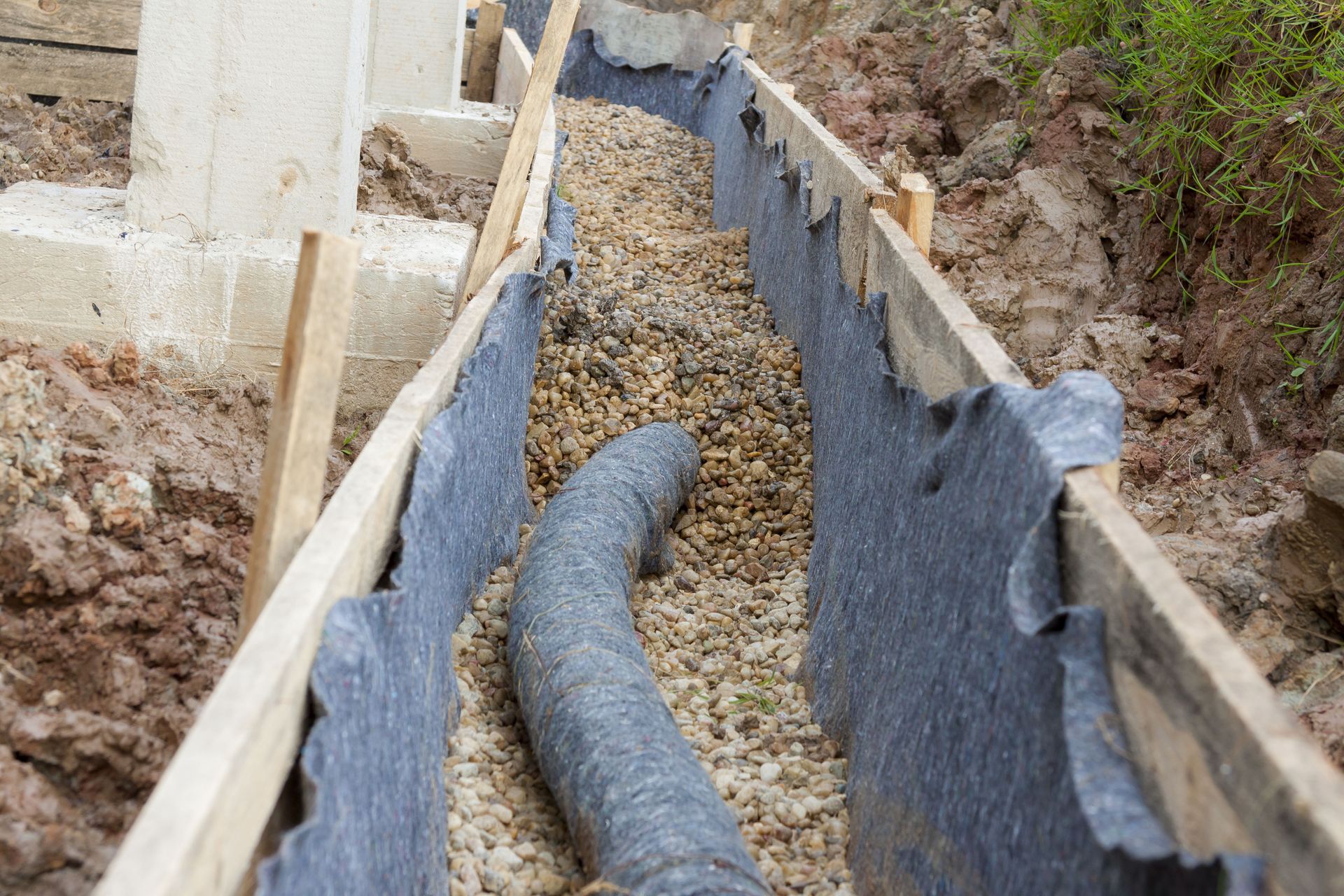
Addressing basement moisture vulnerability requires installing heavy-duty interior or exterior drainage systems, sump pump basins, and vapor barriers across subterranean wall surfaces. Applying exterior elastomeric membranes and subterranean weeping tile networks diverts groundwater away from building footprints before it exerts destructive pressure against foundation concrete. Contracting an experienced professional waterproofing service guarantees that foundation walls receive comprehensive sealing and specialized drainage channels, preventing basement flooding and preserving structural foundation integrity.
Evaluating Roof Surfaces and Chimney Flashing Assemblies
Evaluating roof lines, valley gutters, and chimney flashing assemblies identifies high-exposure zones where overhead rainwater routinely breaches building envelopes. Roof structures bear the direct brunt of heavy rainstorms, wind-driven downpours, hail impacts, and winter ice dams. Over time, asphalt shingles degrade, valley metal seams rust, and rubber pipe boots crack under intense sun exposure, creating direct pathways for rainwater to penetrate roof decking and enter attic spaces.
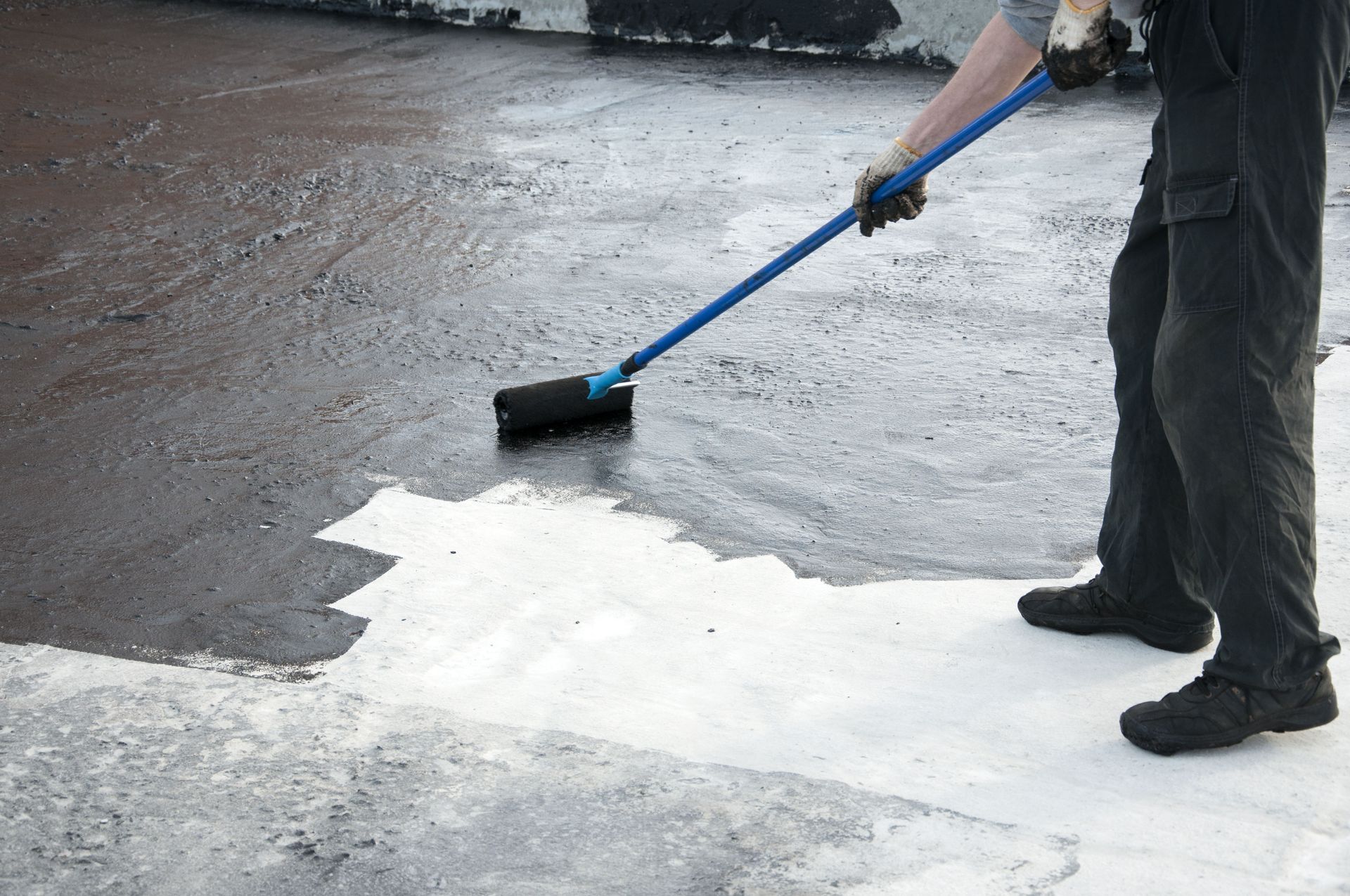
Chimney intersections present another severe water intrusion risk, as shifting brick masonry and failing stepped metal flashing create open gaps where rooflines meet vertical chimneys. Water leaking into attic spaces saturates insulation, rots wooden ceiling joists, and drips down interior wall cavities, causing extensive drywall damage on lower living floors. Partnering with a professional waterproofing service ensures that roof perimeters, valley flashings, and chimney bases receive high-grade sealant applications and continuous waterproof membranes that channel rainwater safely into gutter systems.
Checking Window Seals and Exterior Door Thresholds
Checking window frames, sliding glass doors, and exterior entry thresholds highlights vulnerable wall openings where wind-driven rain can penetrate interior living spaces. Windows and doors interrupt a home’s continuous exterior siding, relying on specialized flashing tapes, caulking beads, and weatherstripping to repel rain. Over time, thermal expansion, house settling, and ultraviolet radiation cause exterior caulk to shrink, crack, and pull away from window frames and exterior trim.
When window caulking fails, rainwater seeps behind exterior siding, rotting wall framing studs, ruining interior drywall, and breeding hidden mold behind baseboards. Additionally, worn bottom weather seals along patio doors allow driven rain to pool across hardwood floors and subflooring. Utilizing an established professional waterproofing service guarantees that window perimeters, door flashing systems, and wall joints receive commercial-grade silicone sealants and flexible flashing barriers that block wind-driven rain completely.
Analyzing Exterior Siding and Masonry Brick Facades
Analyzing exterior siding panels, stucco finishes, and brick masonry facades uncovers subtle material degradation that permits water absorption through outer wall layers. Brick masonry and concrete stucco appear completely impervious to water, yet both materials are inherently porous and absorb substantial moisture during prolonged rainstorms. Mortar joints between bricks naturally crack and deteriorate over time, allowing rainwater to penetrate brick cavities and collect against interior wall framing.
Similarly, lap siding, vinyl panels, and fiber cement boards can trap water if underlying weather-resistive barriers are torn, misaligned, or omitted during initial construction. Trapped moisture behind siding causes wood framing to rot, rusts structural nails, and damages interior insulation performance. Engaging a certified professional waterproofing service allows technicians to apply breathable, hydrophobic masonry sealers and protective wall coatings that repel liquid rain while allowing internal water vapor to escape safely.
Examining Global Waterproofing Market Statistics and Growth Trends
Examining global market data surrounding protective barrier systems highlights the increasing focus on water intrusion prevention across modern residential and commercial construction sectors. As changing weather patterns bring intense rainstorms, severe flooding, and prolonged humidity, property owners worldwide are prioritizing long-term structural moisture defense. Installing high-performance waterproofing systems protects multi-million-dollar real estate assets, lowers long-term building maintenance costs, and preserves healthy indoor air quality.
Market research data illustrates the massive global economic investment in structural moisture protection systems across modern construction markets. According to Markets and Markets, the global waterproofing systems market was valued at USD 61.3 billion in 2022 and is projected to reach USD 85.9 billion by 2027. Relying on a specialized professional waterproofing service connects homeowners with this expanding, highly advanced industry network, providing access to cutting-edge membrane materials, specialized drainage equipment, and master technical application techniques.
Safeguarding your home against the destructive power of water intrusion requires constant vigilance, thorough property inspections, and proactive moisture management across all vulnerable architectural zones. From subterranean foundation walls and basement floors to roof flashings, window frames, brick masonry, and elevated balcony decks, every structural entry point demands reliable protective barriers. Unaddressed water infiltration leads to severe wood rot, foundation cracking, ruined interior finishes, toxic mold growth, and massive loss of real estate value. Installing advanced drainage systems, hydrophobic masonry coatings, flexible sealants, and elastomeric membranes stops water before it breaches your home’s outer envelope. Investing in comprehensive structural waterproofing preserves building integrity, protects family health, and provides lasting peace of mind during extreme weather events.
At Pro Dry Waterproofing LLC, we are deeply committed to protecting your home against water intrusion, securing your foundation's structural integrity, and delivering superior moisture defense solutions through master craftsmanship, industrial-grade membrane systems, and dedicated customer care. Our team of certified waterproofing technicians brings extensive technical expertise, state-of-the-art diagnostic equipment, heavy-duty sump pump systems, and meticulous attention to detail to every basement waterproofing, foundation crack repair, exterior drainage installation, crawl space encapsulation, and professional waterproofing service project we execute across our community. We take immense pride in evaluating your unique property layout, analyzing groundwater pressure risks, inspecting structural wall joints, and delivering custom waterproofing systems that bring total moisture control, healthy indoor air, and enhanced equity to your residence. We carefully examine every wall seam, floor drain, window flashing, and drainage channel to guarantee maximum moisture protection, environmental compliance, and complete homeowner satisfaction. Contact us today to schedule your comprehensive waterproofing consultation and discover the true value of working with dedicated local moisture control specialists.