September 2, 2026
Water can become a serious concern when it repeatedly collects around a home instead of draining away from the property. Heavy rain, poor grading, compacted soil, and other drainage issues can allow moisture to remain near foundations, landscaping, and other vulnerable areas. While surface solutions can sometimes help manage runoff, underground drainage systems may provide another way to direct excess water away from problem areas. A French drain is designed to collect groundwater and redirect it through a gravel-filled trench containing a perforated pipe. Properly designed French drains can help control water movement and reduce the amount of moisture that remains near a structure. The system works beneath the surface, making it a practical option for properties where standing water or recurring drainage problems affect the surrounding landscape. Understanding how these systems function can help homeowners recognize why professional planning and installation are important. Here is a closer look at how a French drain can redirect water and support better drainage around your home.
Collecting Water Below the Surface
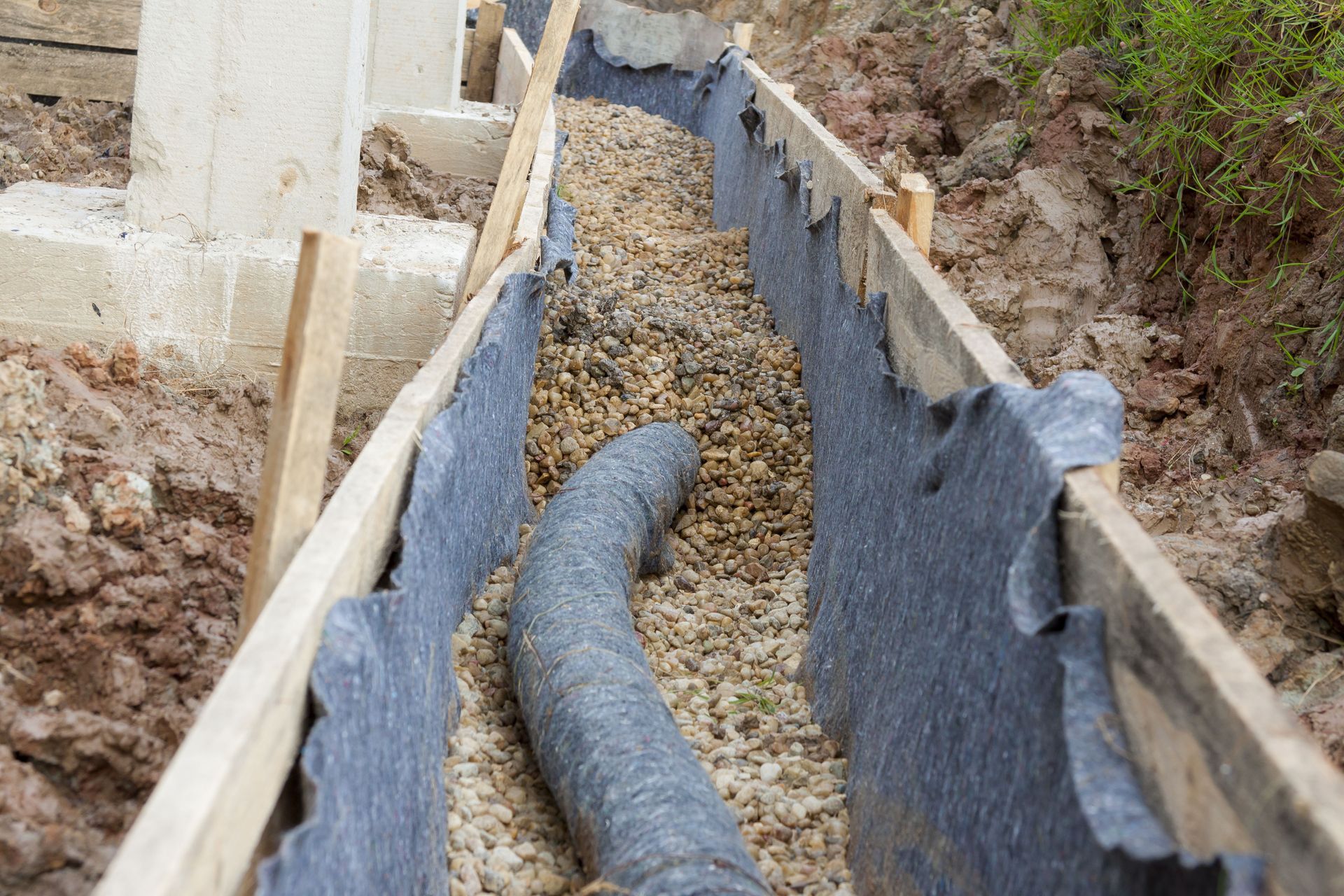
Unlike a surface channel that collects water flowing across the ground, a French drain is designed to address water moving through the soil. The trench is typically positioned in an area where excess moisture tends to collect or travel. Gravel surrounding the pipe creates a pathway that allows water to move downward into the drainage system. Once the water reaches the perforated pipe, it can be directed toward an appropriate discharge location. This process helps prevent moisture from remaining concentrated in one area for an extended period. French drains can be especially useful when water repeatedly saturates the soil near a home or low-lying section of a property. The exact placement of the system depends on the property's drainage conditions and the source of the water. Careful evaluation is important because a drainage system must be positioned where it can effectively intercept and redirect the moisture causing the concern.
Moving Water Away From the Foundation
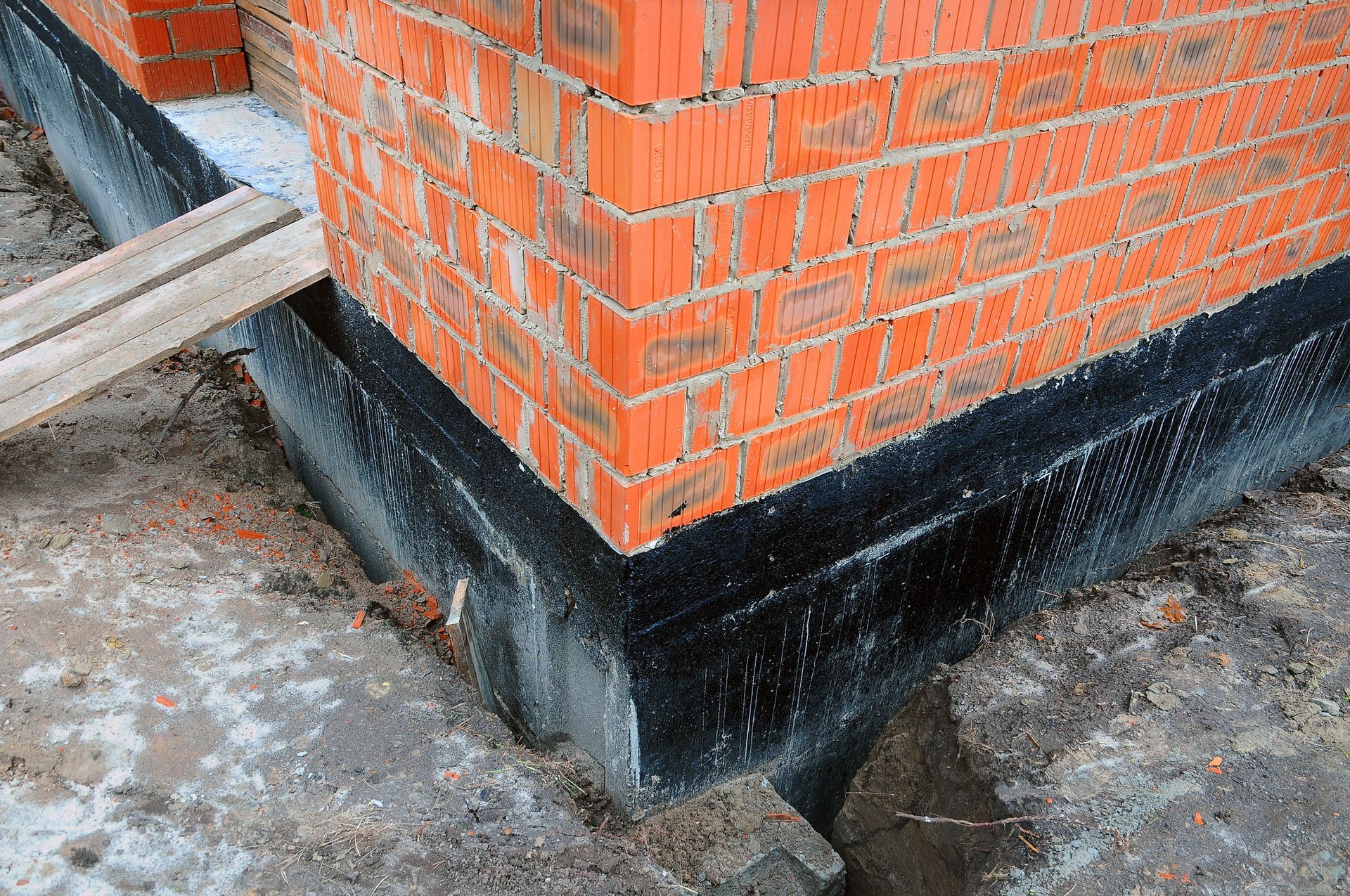
One of the primary reasons homeowners consider underground drainage is to manage water collecting near the foundation. When soil around a structure remains excessively wet, the moisture may create conditions that require additional attention. A properly planned drainage system can collect water before it has an opportunity to remain concentrated against the home. French drains are often installed in strategic locations where they can redirect subsurface water away from the structure. The pipe then carries the collected water toward a suitable outlet or drainage area. The final destination should be selected carefully so that water is moved away without creating a new drainage issue elsewhere on the property. Every home has different soil conditions, elevations, and landscaping features that can influence how water travels. Professional assessment can help determine the most effective route for managing the property's excess moisture.
Following the Natural Flow of Water
Water naturally moves toward lower elevations, but the landscape does not always direct it away from a home as effectively as it should. A drainage system can be designed to work with the natural movement of water rather than allowing it to collect in undesirable locations. The trench and pipe must be positioned with an appropriate slope so collected water can continue moving through the system. Even a well-constructed drainage feature may not perform as intended if the surrounding grading and outlet location are not considered. Proper installation requires attention to how water enters the system and where it travels afterward. French drains can redirect subsurface moisture by providing a controlled path through areas where water would otherwise remain trapped in the soil. This approach can help homeowners manage recurring wet conditions that are influenced by the shape and elevation of the property. Understanding the property's natural drainage patterns is an important part of creating an effective solution.
Reducing Standing Water in Problem Areas
Standing water can create an ongoing maintenance problem in yards and landscaped areas. It may appear after heavy rain and remain for days when the soil does not drain efficiently. Some properties have naturally low areas that collect water from surrounding sections of the landscape. A drainage system can be positioned to intercept some of that moisture and guide it toward another location. This may help improve the usability of outdoor spaces that are regularly affected by saturated soil. French drains can also be incorporated into broader drainage plans that address more than one source of water. The goal is not simply to remove water quickly, but to manage where it goes and prevent it from repeatedly collecting in the same area. A detailed assessment can help determine whether an underground drainage system is appropriate for the specific conditions causing the problem.
Protecting the Surrounding Landscape
Excessive water can affect more than the structure of a home. Landscaped areas, garden beds, walkways, and lawns can all be influenced by poor drainage. Soil erosion may occur when water repeatedly moves through the same area with enough force to displace soil and other materials. Saturated ground can also make certain outdoor spaces difficult to use or maintain. A properly designed drainage system can help direct water through a controlled route instead of allowing it to move unpredictably across the property. French drains may be installed in a way that allows the finished landscape to maintain a more natural appearance once the work is complete. Because much of the system is located below ground, homeowners can manage drainage concerns without relying entirely on visible channels across the yard. Coordinating drainage improvements with existing landscaping can help create a solution that supports both appearance and functionality.
Creating a Long-Lasting Drainage Solution
A drainage system is an investment in managing how water moves around a property, so durability is an important consideration. The longevity of the system can depend on the quality of the materials, installation methods, soil conditions, maintenance, and the overall design. According to U.S. News, a properly installed french drain can last approximately 30 to 40 years. This potential lifespan makes careful planning especially important because the system is intended to provide long-term drainage support. Choosing an appropriate location and ensuring the system has a suitable outlet can influence how effectively it performs over time. Regular attention may also help identify issues such as blockages or changes in the surrounding landscape that affect drainage. While no system is completely maintenance-free, proper installation can provide a foundation for dependable performance. Homeowners should consider both the immediate drainage concern and the long-term condition of the property when planning an underground solution.
Supporting Better Soil Conditions
The amount of moisture present in the soil can influence how different areas of a property perform. When water remains in one location for an extended period, the soil can become saturated and less suitable for normal outdoor use. A drainage system can help manage excess groundwater by giving it a designated route away from the affected area. This may support more balanced conditions in locations where moisture repeatedly accumulates. French drains work beneath the surface, allowing water to enter the gravel and pipe rather than remaining concentrated in the surrounding soil. The design can be adapted based on the specific conditions of the property and the depth at which the water issue occurs. Soil type can also affect how quickly water moves and how a drainage system should be planned. Evaluating these conditions before installation can help create a solution that addresses the actual source of the moisture.
Water problems around a home should not be ignored simply because they disappear once the rain stops. Proper drainage can help redirect excess moisture away from areas where it does not belong and support a healthier, more functional property. Contact Pro Dry Waterproofing LLC today to discuss your drainage concerns and learn how a professionally designed solution can help keep water moving in the right direction.