October 12, 2026
Preparing your home before a waterproofing project can help identify moisture problems, protect vulnerable areas, and support a more effective installation. Water can enter through foundations, roofs, windows, doors, and other openings, potentially causing structural damage and expensive repairs. Taking time to inspect your property, address existing issues, and prepare interior spaces can make the process smoother. Understanding what to do before the project begins also helps homeowners make informed decisions about the right approach to waterproofing services.
Assess the Current Condition of Your Home
Identify Vulnerable Areas
Start by inspecting areas that are most likely to experience water intrusion. Basements and foundations are common problem areas, but roofs, window seals, door frames, and exterior walls can also allow moisture inside. Look for water stains, mold, mildew, cracks, discoloration, or musty odors that may indicate an existing issue.
According to IPropertyManagement, U.S. home flooding costs total up to $34.30 billion per year. Routine inspections can help homeowners identify vulnerabilities before they contribute to costly damage. Professional assessments can also uncover hidden moisture or structural concerns that may not be obvious during a visual inspection.
Review Previous Repairs
Review records of previous repairs, especially if the home has experienced leaks or other moisture problems. Older repairs may involve materials or techniques that affect current waterproofing services. Understanding what has already been repaired can help prevent redundant work and give professionals a clearer picture of the property's history.
Previous repairs should also be checked for signs of deterioration or incomplete work. Sharing this information with a contractor can help determine which areas need additional attention and which solutions will work with existing materials and structures.
Monitor Indoor Humidity
Indoor humidity can contribute to condensation, mold growth, and deterioration of building materials. Use hygrometers to monitor moisture levels, particularly in basements, attics, bathrooms, and other areas where humidity tends to accumulate. Dehumidifiers and exhaust fans can help reduce excess moisture and support a healthier indoor environment.
Maintaining appropriate humidity levels is not a substitute for addressing water intrusion, but it can complement other moisture-control measures. Good ventilation and consistent humidity management can also help protect materials after waterproofing services are completed.
Inspect Exterior Surfaces
Inspect exterior walls, siding, and foundations for cracks, discoloration, damaged coatings, and deteriorating materials. Pay particular attention to areas where different materials meet, since poorly sealed joints can create pathways for water.
Also examine the grading around the home. Soil that slopes toward the foundation can direct water toward vulnerable areas instead of away from the structure. A professional inspection may help identify drainage or structural concerns that require attention before the waterproofing project begins.
Check the Roof and Drainage
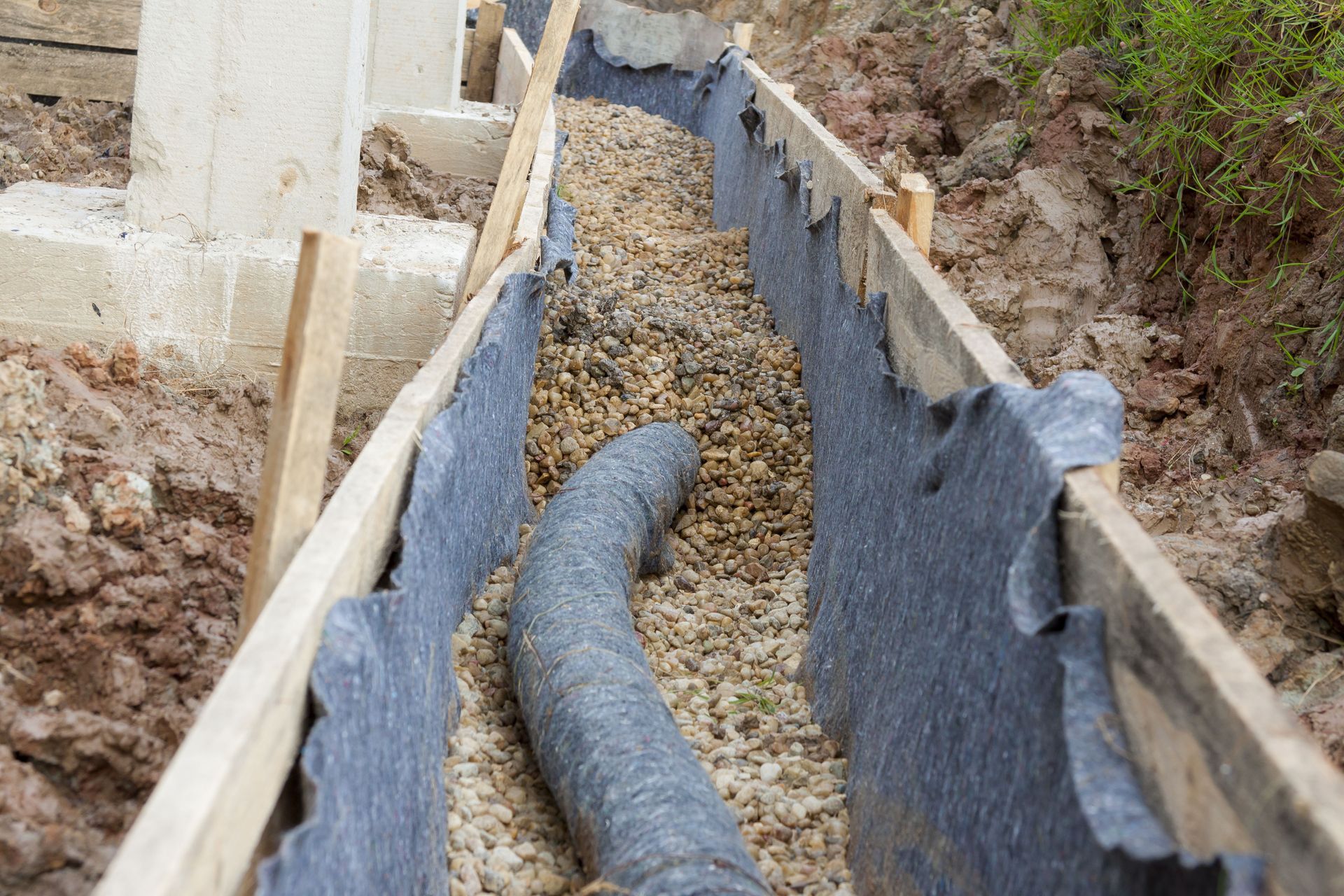
The roof and drainage system play an important role in keeping water away from the home. Look for missing or damaged shingles, cracks, rust, moss, or other signs of deterioration. Gutters and downspouts should also be inspected to make sure they are clear of debris and directing water away from the foundation.
Addressing roof or drainage problems before waterproofing can help prevent new moisture from undermining the work. Professional inspections may be especially helpful when damage is difficult to see from the ground.
Choose the Right Waterproofing Approach
Compare Available Systems
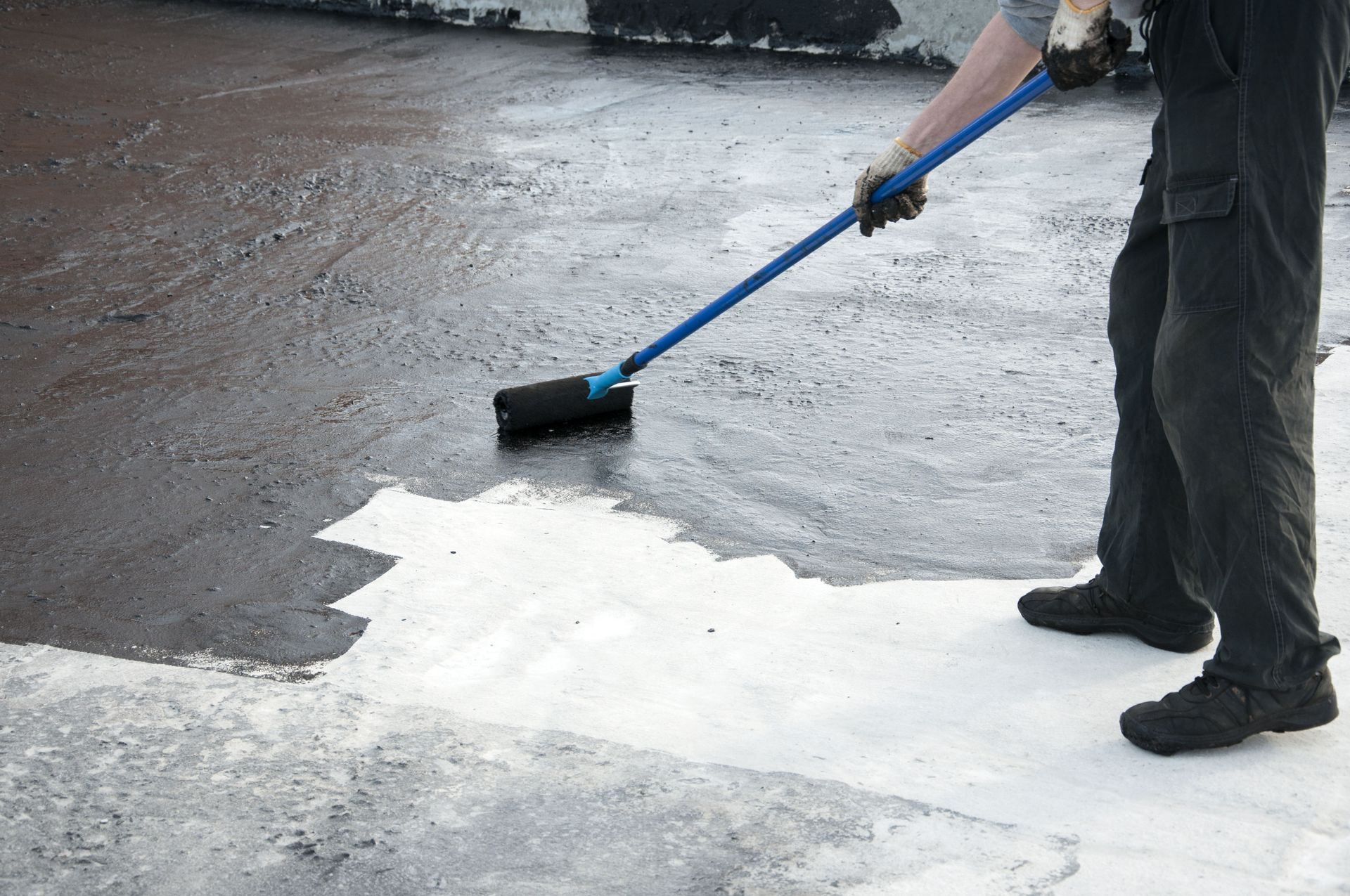
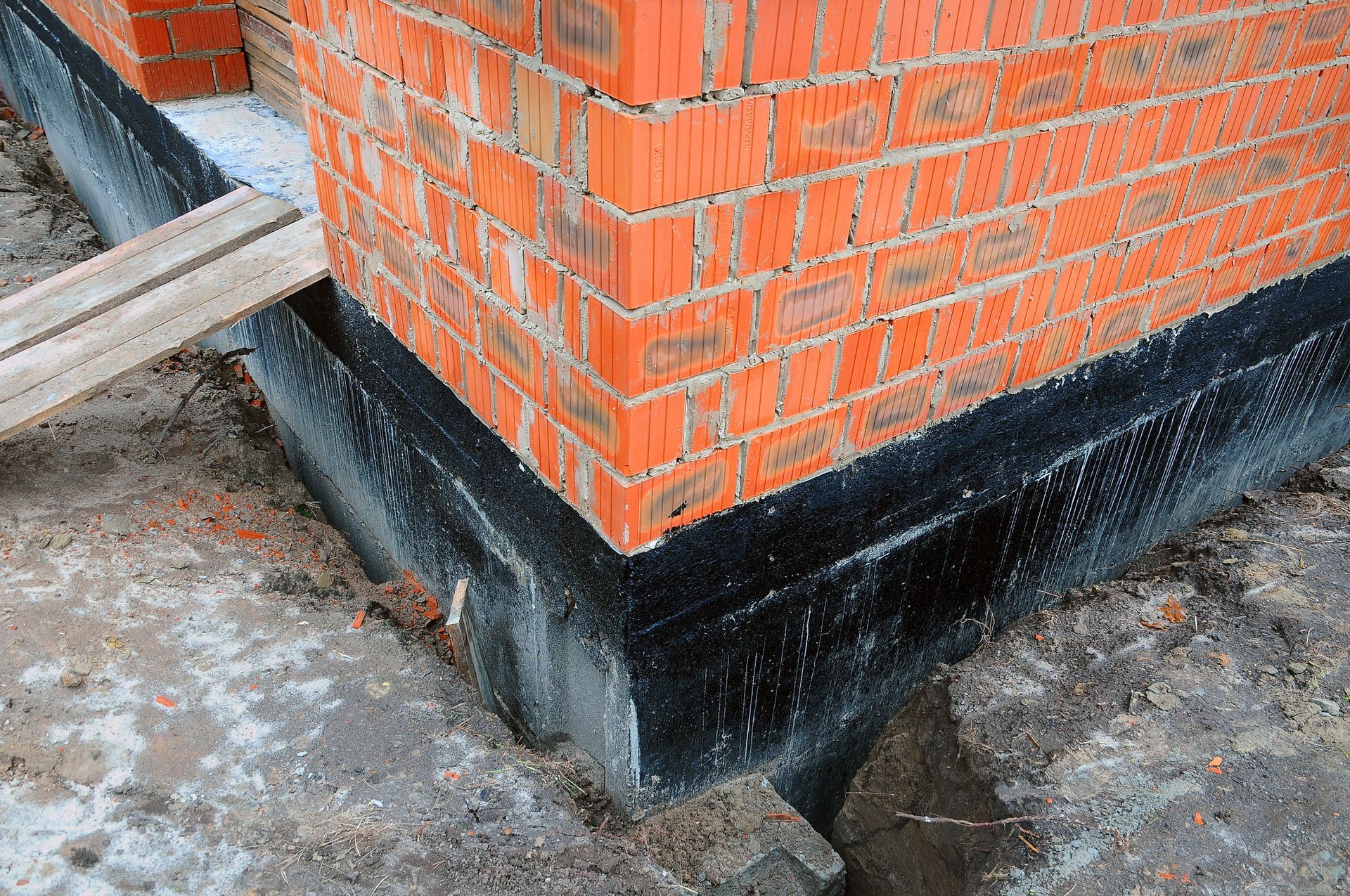
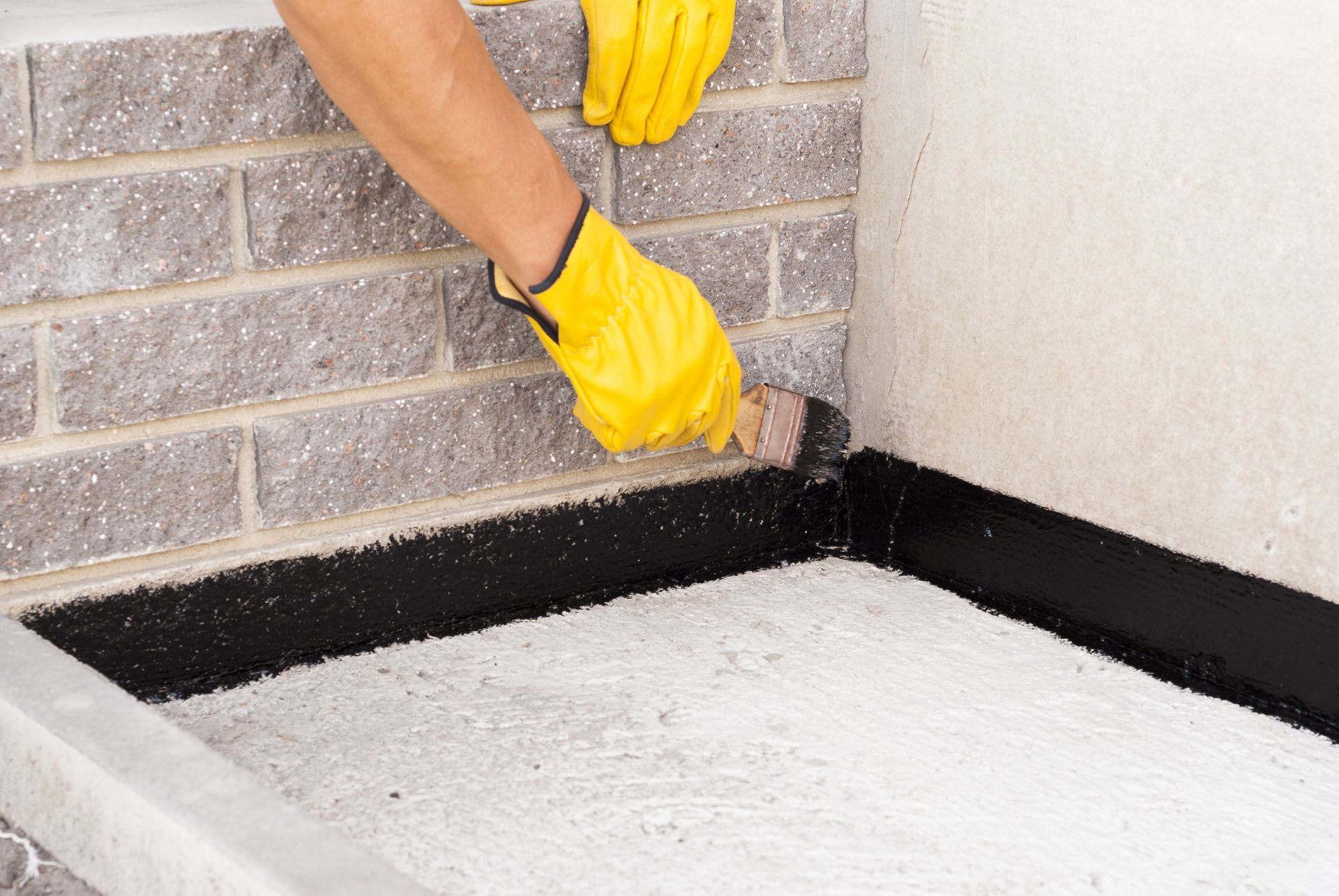
Different waterproofing services are designed for different applications. Coatings can create protective barriers on certain surfaces, while membranes can provide coverage across walls, floors, and roofs. Sealants may be useful for closing smaller gaps around windows, pipes, and other openings.
The right solution depends on where moisture is entering, the materials involved, the level of water exposure, and the condition of the structure. In some situations, combining multiple approaches may provide more comprehensive protection. Understanding these differences can help homeowners have more productive conversations with waterproofing professionals.
Consider Cost and Longevity
Price should be considered alongside durability. A lower-cost solution may require more frequent maintenance or replacement, while a more durable system may provide better long-term value. Homeowners should consider both the initial investment and the potential costs of repeated water damage or repairs.
Professional recommendations can clarify expected lifespans, maintenance requirements, and warranty considerations. Choosing based on long-term performance rather than upfront price alone can help support a more effective waterproofing investment.
Evaluate Material Considerations
Homeowners may also want to consider the materials used in a waterproofing system. Some products are designed to reduce environmental impact or limit chemical emissions. Discussing available options with a professional can help determine whether a particular product is appropriate for the home's structure, location, and moisture concerns.
Material compatibility is especially important because applying an unsuitable product can reduce its effectiveness. A professional can evaluate the existing surfaces and recommend an approach that works with the property's construction.
Consult Waterproofing Professionals
Professional guidance can simplify the planning process and help homeowners avoid mistakes. Experienced contractors can assess vulnerable areas, recommend appropriate solutions, and determine the scope of work required. They can also identify problems that may need to be addressed before waterproofing begins.
Professional waterproofing services can provide additional value through experienced installation, appropriate materials, and guidance on maintenance. Depending on the project, professional work may also include warranties or follow-up support that provides greater confidence in the finished system.
Prepare Interior Areas for Installation
Clear and Clean Work Areas
Before work begins, remove furniture, appliances, storage containers, and other belongings from areas where contractors need access. Moving items out of the way protects them from dust, moisture, or accidental damage while giving workers enough room to complete the project safely.
Surfaces should also be cleaned before application. Dirt and debris can interfere with the adhesion or performance of certain products. Cleaning the work area and removing loose materials creates better conditions for installation.
Address Existing Damage
Inspect exposed walls, floors, and other surfaces for cracks, deterioration, mold, or previous water damage. Some problems may need to be repaired before waterproofing materials can be installed effectively.
Homeowners should discuss these concerns with their contractor rather than assuming waterproofing services will automatically resolve every existing issue. Identifying problems beforehand allows the project to be planned around necessary repairs and helps reduce unexpected complications.
Protect Remaining Belongings
If some belongings must remain in the home, move them away from the work area and cover them as appropriate. Keep valuable or moisture-sensitive items in a secure location until the project is finished. Following the contractor's preparation instructions can also help protect personal property and prevent unnecessary disruptions.
Complete the Final Preparations
Discuss Project Expectations
Before installation begins, confirm the areas being treated, the materials being used, the expected timeline, and any preparation the contractor requires. Clear communication can help everyone understand what the project involves and reduce surprises once work begins.
Plan for Ongoing Maintenance
Waterproofing is an important part of protecting a home, but ongoing maintenance remains essential. Continue monitoring gutters, downspouts, roofs, foundations, and other vulnerable areas after the project. Addressing new cracks, drainage problems, or signs of moisture promptly can help preserve the effectiveness of the work.
Proper preparation gives homeowners a stronger foundation for successful waterproofing. By inspecting the property, addressing existing concerns, choosing appropriate materials, and preparing interior spaces, homeowners can help ensure their investment provides lasting protection. For help evaluating your home's moisture concerns and preparing for the project, contact Pro Dry Waterproofing LLC to discuss professional waterproofing services and the right approach for your property.