November 16, 2026
Understanding how moisture behaves beneath a structure helps property owners recognize when basic preventive measures are no longer sufficient. Crawlspaces naturally absorb dampness from rain runoff, high water tables, and saturated soil. Left unaddressed, persistent dampness creates a cascade of physical defects that extend from subfloor framing to the living spaces above. Identifying the warning indicators early allows property owners to intervene before minor dampness evolves into extensive structural deterioration. The following sections explore the physical signs, environmental impacts, and long-term implications that indicate when specialized moisture mitigation from a trained waterproofer is necessary.
Recognizing Visible Moisture Indicators in the Subfloor
Standing Water and Puddling Across Soil Surfaces
The presence of standing water or recurrent puddles on the crawlspace floor is an immediate sign of compromised drainage or severe hydrostatic pressure. Water often pools in low spots after heavy precipitation or during seasonal shifts when the local water table rises. When water collects and cannot drain away naturally, it continuously saturates the foundation perimeter and evaporates directly upward into the subfloor framing.
Condensation Forming on Exposed Ductwork and Plumbing
Pipes, HVAC ducts, and electrical conduits running through the crawlspace provide clear indicators of elevated relative humidity. When warm, moisture-laden air encounters cooler surfaces like cold-water supply pipes or metal air conditioning ducts, liquid droplets form rapidly. Constant condensation dripping onto framing or unsealed ground surfaces indicates that ambient moisture levels have exceeded normal thresholds, creating conditions where an experienced waterproofer should evaluate internal atmospheric controls.
Efflorescence Accumulating Along Concrete and Masonry Walls
Efflorescence presents as a white, powdery, or crystalline substance clinging to concrete blocks, brickwork, or poured foundation walls. This mineral deposit appears when water moves through porous masonry, dissolves natural mineral salts within the concrete, and deposits those salts on the surface as the moisture evaporates. While the salt itself is harmless, its presence proves that water is continually migrating through foundation boundaries from exterior soil.
Identifying Structural Deterioration and Subfloor Degradation
Sagging Subfloors and Soft Wooden Floorboards
Moisture traveling upward from an untreated crawlspace penetrates structural subfloors, joists, and finish flooring. Over time, wooden support members absorb ambient vapor, expanding, softening, and losing their original load-bearing strength. Residents often notice this gradual degradation through spongy sensations underfoot, sagging floorboards, or areas where furniture appears slightly tilted.
Sticking Interior Doors and Warping Window Frames
Structural shifts beneath the main living level inevitably disrupt the alignment of upper architectural components. As floor joists warp, settle, or shift under prolonged exposure to moisture, interior door frames and window openings twist out of plumb. Interior doors that suddenly drag against the floor or stick inside the door jamb frequently trace their root cause back to subfloor framework instability caused by excessive moisture underneath the building.
Rusting Metal Hardware and Fasteners
A humid crawlspace accelerates the oxidation of metallic materials. Fasteners, joist hangers, structural bolts, duct supports, and plumbing fixtures corrode rapidly in an unmanaged damp environment. Severely rusted fasteners lose their structural integrity, which weakens the connection points between subfloor joists and foundation sills, signaling that an evaluation by a waterproofer is warranted to halt further oxidation.
Assessing Indoor Environmental and Atmospheric Disruptions
Musty Odors Permeating the Living Quarters
The natural airflow pattern of a house relies heavily on the stack effect, a process in which warm air rises and escapes through upper levels while drawing replacement air from the lowest zones of the structure. Up to half of the air breathed on the first floor originates directly within the crawlspace. When organic materials, dust, and framing beneath the structure stay damp, they generate a distinct, earthy, musty smell that rises directly into hallways and living rooms.
Persistent Humidity Challenging HVAC Efficiency
Excess moisture under the home does not stay isolated below the subfloor. As water vapor rises into the primary living spaces, indoor relative humidity climbs noticeably. Air conditioning units must work harder to extract this airborne moisture before they can lower the indoor temperature effectively. High interior humidity levels that persist despite regular mechanical cooling often point toward an unmitigated moisture source below the house that requires the diagnostic skill of a crawlspace waterproofer.
Escalating Presence of Subterranean Pests
Insects, rodents, and other pests seek out dark, damp environments for shelter and hydration. Termites, carpenter ants, and wood-boring beetles thrive specifically in softened, moisture-compromised wood framing. A noticeable increase in insect activity along floor perimeters or within crawlspace access points typically correlates with chronically elevated dampness that attracts organisms dependent on high humidity.
Evaluating Advanced Remediation and Long-Term Solutions
Moisture Barriers and Subfloor Encapsulation Systems
Managing ground dampness systematically requires establishing a comprehensive boundary between soil moisture and structural framing. Thick, reinforced vapor barriers laid across dirt floors and sealed up foundation walls prevent ground evaporation from reaching structural timbers. According to Global Growth Insights, the worldwide crawlspace encapsulation service market is expected to expand at an annual compound rate of 9.3% leading up to 2035. This steady expansion highlights how property owners increasingly acknowledge the importance of professional-grade moisture control methods to protect structural assets over extended periods.
Perimeter Drainage Channels and Mechanical Sump Systems
When surface pooling or groundwater intrusion occurs, static barriers alone cannot handle the volume of incoming water. A comprehensive drainage strategy directs intruding liquid into designated collection channels running along the interior footer. These channels guide the liquid to a heavy-duty mechanical sump basin, where a reliable pump evacuates the collected water safely away from the foundation perimeter.
Foundation Crack Sealing and Masonry Restoration
Small cracks within foundation walls offer open pathways for water migration under hydrostatic pressure. During rainy seasons, expanding soils press saturated groundwater directly through concrete fissures. Skilled application of targeted sealing compounds and structural repairs by a professional waterproofer stops water before it breaches the perimeter, ensuring foundation walls retain their resistance against external soil saturation.
Understanding the Value of Qualified Technical Assessment
Thorough Inspection of Inaccessible Structural Cavities
Crawlspaces are frequently cramped, low-clearance areas that require specialized diagnostic equipment to assess accurately. A qualified waterproofer utilizes calibrated moisture meters, thermal imaging devices, and hygrometers to identify hidden moisture pathways that are invisible to the naked eye. This level of technical investigation uncovers water migration patterns behind insulation, inside wall cavities, and below foundation grade.
Customized Solutions for Specific Soil and Foundation Dynamics
Every residential structure interacts differently with its surrounding topography, soil composition, and seasonal precipitation levels. A sandy loam soil drains differently than heavy clay, and sloped lots experience surface runoff challenges distinct from flat properties. A skilled specialist evaluates these unique site conditions to design an integrated water mitigation plan tailored specifically to the physical demands of the property.
Prevention of Compound Structural and Mechanical Expenses
Postponing moisture remediation frequently multiplies long-term repair costs across multiple residential systems. What begins as minor condensation can eventually require full joist sistering, subfloor replacement, ductwork rehabilitation, and specialized pest management. Engaging an experienced waterproofer to address initial moisture symptoms curtails this compounding cycle of property damage.
Maintaining Subfloor Health Over Time
Regular Monitoring of Crawlspace Relative Humidity
Once comprehensive water management components are installed, monitoring baseline humidity ensures conditions remain stable year-round. Maintaining relative humidity levels below 60 percent prevents organic growth, inhibits wood decay, and discourages insect intrusion. Simple digital monitors allow property owners to check conditions without frequently entering cramped accessways.
Seasonal Inspection of Exterior Downspouts and Grading
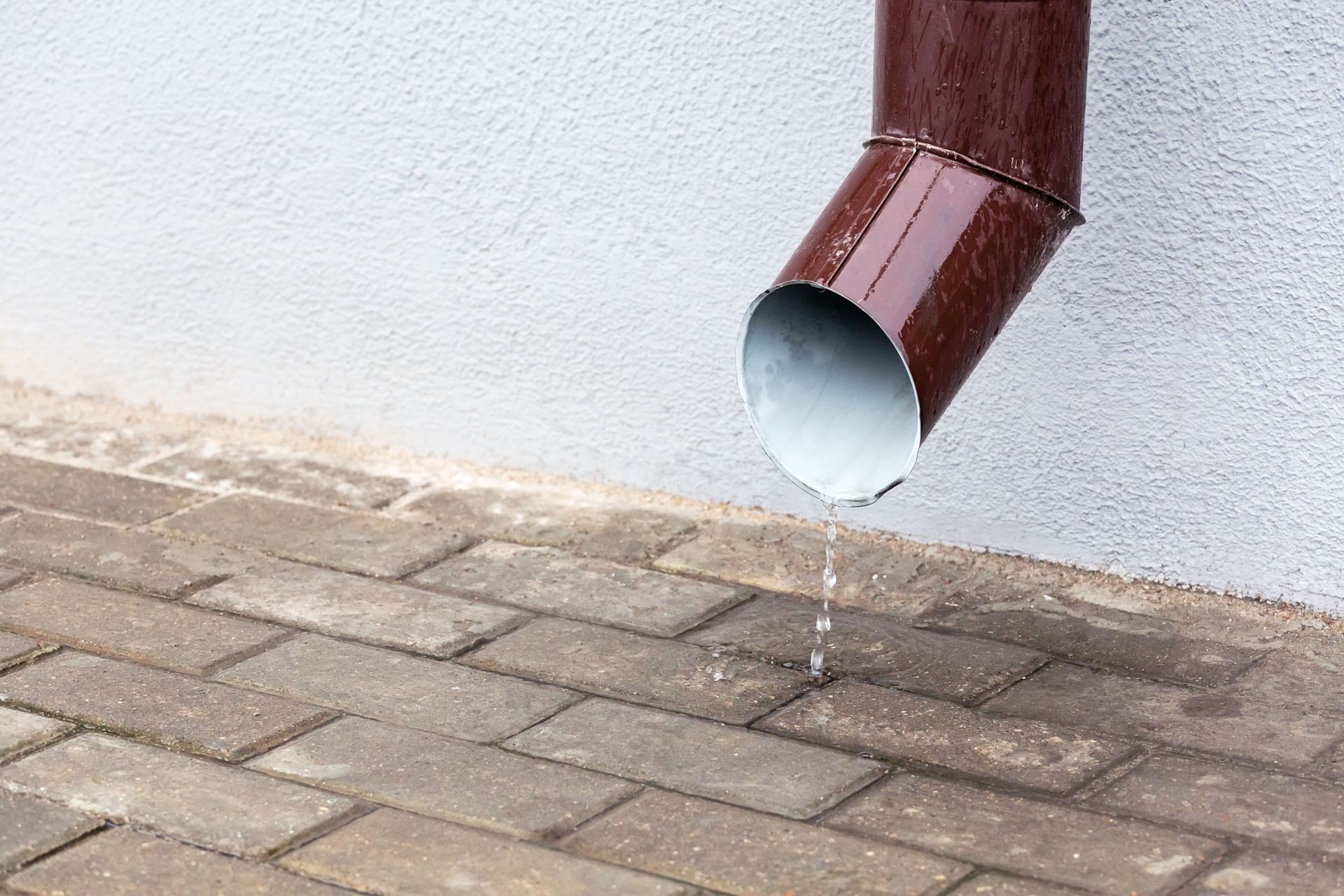
Subfloor protection works hand-in-hand with exterior water management. Roof runoff directed through clean gutters and extended downspouts must discharge several feet away from foundation walls. Additionally, soil grading should slope away from the building perimeter to prevent rainwater from pooling against exterior masonry and adding unnecessary hydrostatic pressure to the subfloor.
The crawlspace may sit out of daily view, but its environmental condition fundamentally dictates the structural stability, indoor air quality, and overall health of the entire home. Recognizing warning indicators such as persistent standing water, mineral efflorescence, sagging subfloors, and rising musty odors allows homeowners to take prompt action before localized dampness triggers widespread damage. Modern water management approaches, from subfloor encapsulation barriers to dedicated drainage networks, provide dependable ways to isolate structural components from earth-born dampness. For homeowners seeking to safeguard their foundation against escalating moisture challenges, scheduling a comprehensive assessment with a professional
waterproofer from the dedicated team at Pro Dry Waterproofing LLC will help preserve the structural integrity and indoor comfort of the property for years to come.