November 6, 2026
The longevity of a home depends heavily on its resistance to water damage. Moisture infiltration leads to structural issues, mold growth, and costly repairs. A professional waterproofing contractor plays a critical role in maintaining your property's health through specialized expertise. They provide services aimed at preventing water from seeping through walls, roofs, and foundations. Whether through the application of sealants, drainage system installations, or structural repairs, their role is pivotal. Understanding how they operate helps homeowners appreciate the importance of professional waterproofing services. In this article, we delve into the comprehensive measures taken to shield your home's exterior and foundation from water-related risks, empowering you to safeguard your property against severe moisture damage.
Assessing Property Conditions
The first step a waterproofing contractor takes is performing a comprehensive surface evaluation to identify vulnerabilities. This involves a detailed inspection of exterior surfaces, including walls, roofs, and ground structures. They look for obvious signs of wear, such as cracks, discoloration, or deterioration due to moisture stress. Pinpointing areas that need urgent attention prevents more severe structural damage. Specialized tools and technology ensure nothing is overlooked, often involving advanced scanning techniques like hygrometers and moisture meters that reveal hidden dampness. The data gathered provides a clear picture of water movement and accumulation. Understanding these unique patterns is essential in forming a tailored plan, allowing professionals to recommend specific treatments based on the exact needs of your property.
Evaluating Foundation Integrity
Maintaining the integrity of your home's foundation is crucial, as it serves as the base upon which the rest of the structure is built. Professionals examine the foundation for any cracks or potential ingress points that water might exploit. Using professional-grade tools, they gauge the strength and stability of the foundation materials. Beyond visual inspections, these foundation integrity checks involve evaluating the soil conditions surrounding the structure. Soil erosion or improper grading can heavily contribute to foundational issues. By analyzing soil samples, a waterproofing contractor can accurately assess their impact on structural stability. Through detailed analysis, they provide precise recommendations, such as reinforcing concrete or applying robust water-resistant coatings to strengthen the foundation’s resistance.
Reviewing Drainage Systems
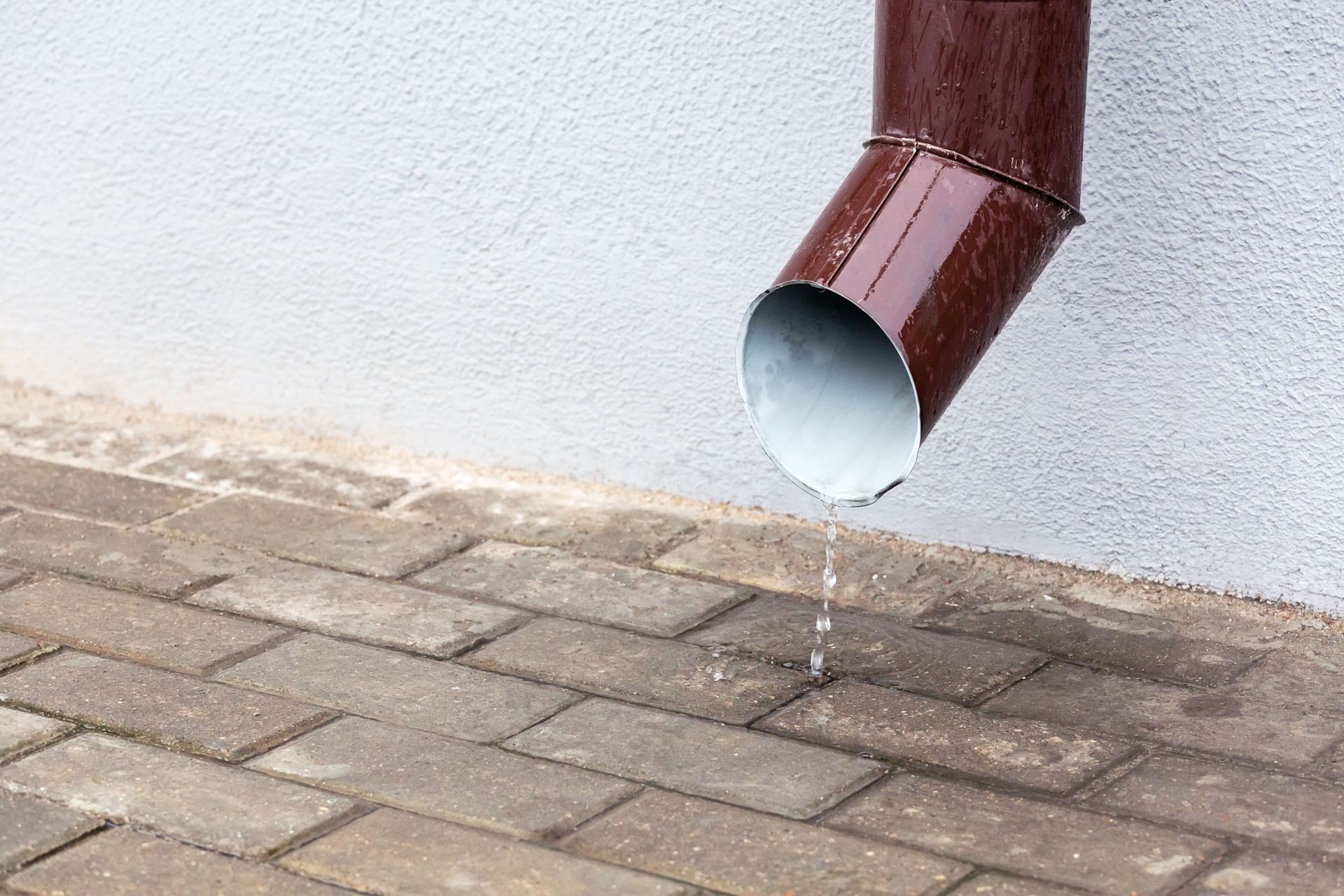
Proper drainage is an essential aspect of effective waterproofing, ensuring water is efficiently redirected away from the home. During a detailed drainage system review, existing setups are evaluated to verify their functional effectiveness. This includes inspecting gutters, downspouts, and drainpipes for any blockages, leaks, or malfunctions. Flaws in these systems can lead to water pooling near the foundation, drastically increasing the risk of infiltration. The review also considers the slope of the landscape. Proper grading naturally guides water away from the foundation, minimizing basement flooding risks. Based on these vital considerations, targeted upgrades or repairs are identified to handle both heavy rainfall and routine water flow, providing robust protection.
Applying Exterior Sealants
Sealant application is a primary method used to protect exterior surfaces against persistent water penetration. This process involves using high-quality sealant products that form a protective barrier when applied to walls, foundations, and masonry. Sealants create a waterproof seal that guards against moisture entry through cracks, joints, and porous materials. They are highly effective in preventing water from entering through roof and wall penetrations, which are common vulnerabilities in many homes. During these applications, a skilled waterproofing contractor ensures that all potential entry points for water are meticulously covered. This includes spaces around windows, doors, and seams in siding materials. A well-applied sealant becomes a long-lasting solution, enduring harsh weather conditions and fluctuating temperatures.
Installing Waterproof Membranes
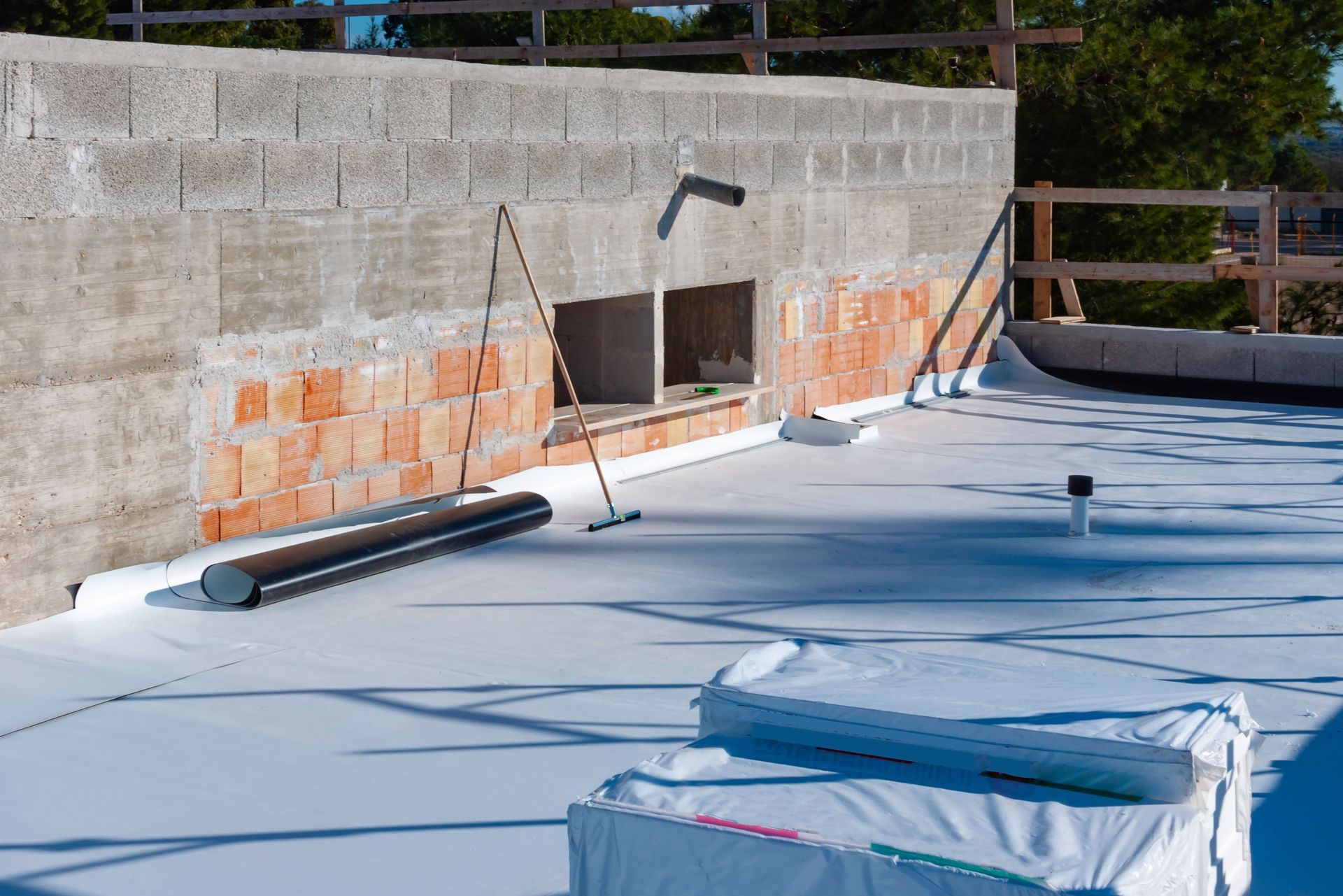
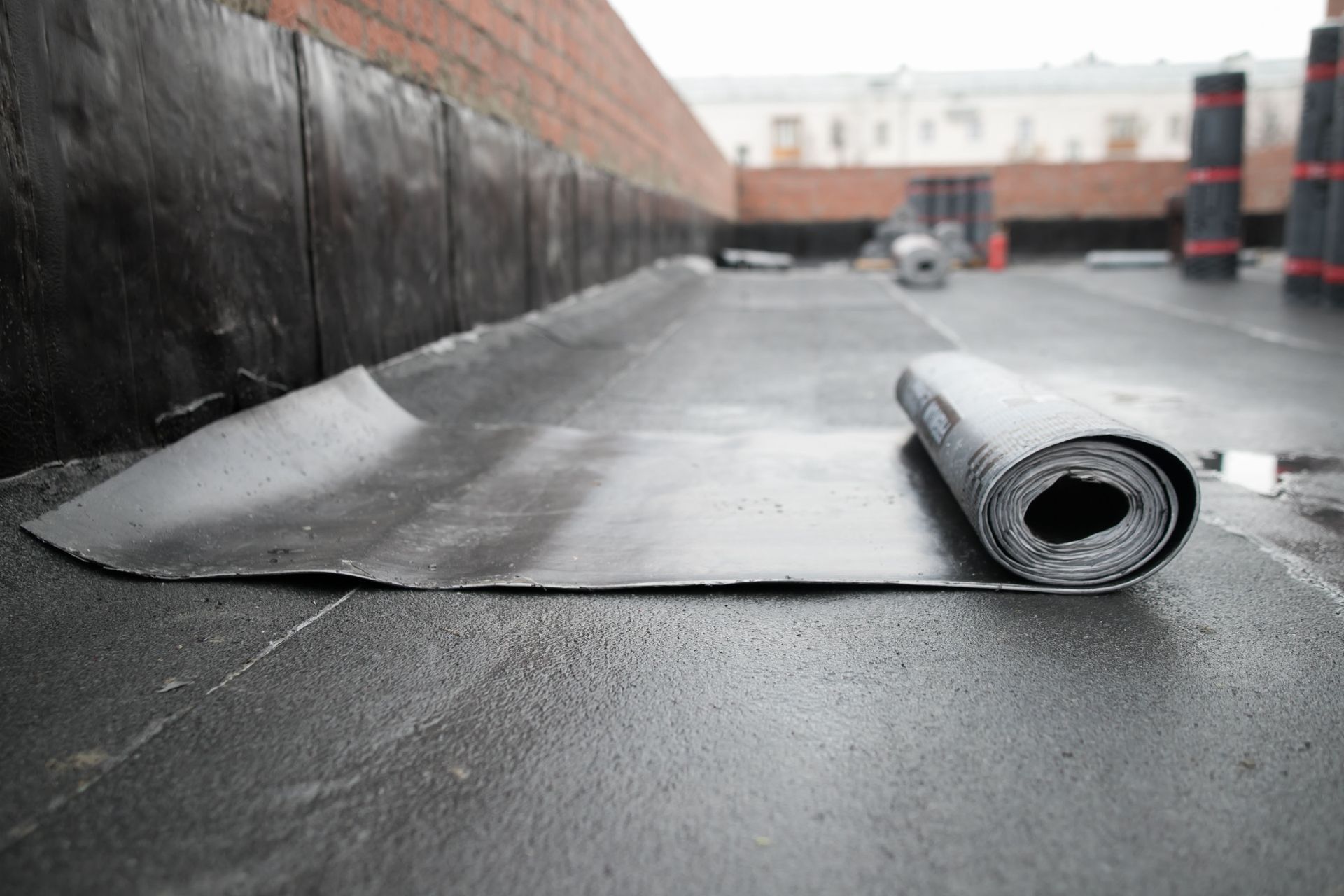
Membrane installation is another critical solution employed to protect a home's exterior. These impermeable layers are applied to various surfaces to completely obstruct water intrusion. Membrane systems can be seamlessly installed on roofs, walls, and underground areas, serving as a highly effective moisture barrier. According to Grand View Research, liquid-applied waterproofing membranes account for more than 64.6% of the global waterproofing membranes market, making them the leading product category by revenue share. When properly installed, these membranes provide excellent, long-term protection against water ingress, even under challenging environmental conditions. They are effective at preventing water from seeping through the joining gaps. Their incredible versatility makes them a preferred option for homeowners seeking comprehensive, reliable waterproofing solutions.
Repairing Surface Cracks
Repairing cracks and filling gaps in exterior surfaces is a vital practice within the scope of exterior waterproofing. Over time, environmental forces can lead to significant cracks in masonry, driveways, and other external components. Left unaddressed, these gaps quickly become prime entry points for water, leading to internal damage and the degradation of structural components. A careful waterproofing contractor performs detailed inspections to identify such vulnerabilities and recommend appropriate repair methods. The process typically involves cleaning the affected areas and filling them with specialized waterproofing compounds designed to expand and contract with temperature changes. Restoring these surfaces prevents further infiltration, effectively extending the lifespan of the building's essential foundational elements.
Enhancing Roofing Materials
Upgrading roofing and siding materials is an essential strategy for enhancing a home's absolute water resistance. This enhancement process involves replacing or augmenting existing materials with more water-resistant options that offer improved protection against the elements. Modern roofing products come with advanced coatings that significantly reduce moisture permeability. Implementing these essential upgrades necessitates collaboration with an experienced waterproofing contractor who can expertly guide material selection and oversee installation procedures. Proper installation is paramount to ensure complete water resistance, preventing any weak points prone to persistent leakage. The use of advanced materials offers added benefits like improved energy efficiency and safeguarding your interior environments against the harshest seasonal weather conditions.
Applying Advanced Coatings
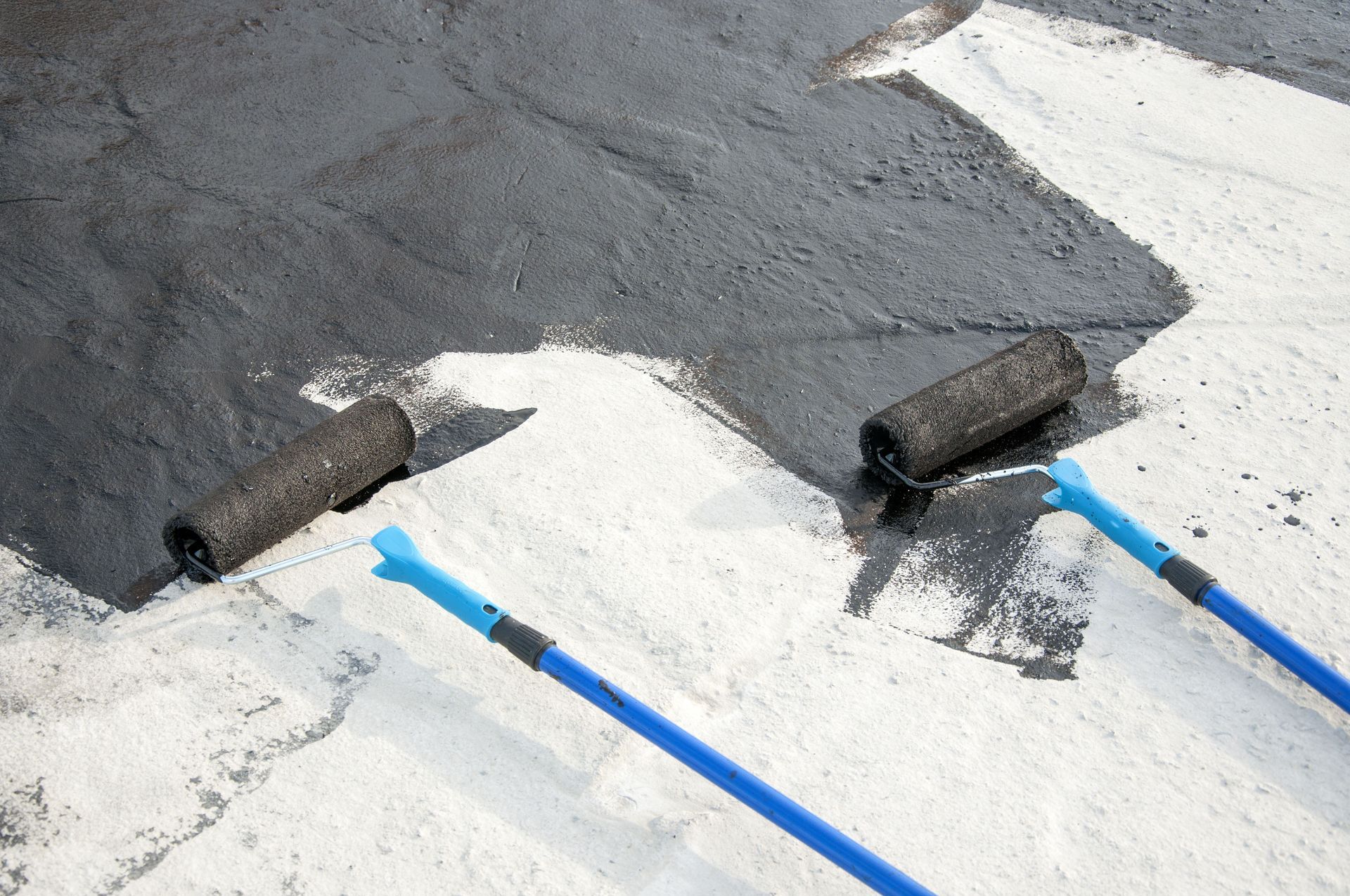
Advanced coatings are fundamental in protecting exterior surfaces from environmental elements, creating a highly durable waterproof layer. These specialized coating solutions can be applied to various building materials, such as brick, concrete, or wood, and serve as an impenetrable shield against water, ice, and harsh ultraviolet rays. Beyond water repellency, coatings provide critical resistance to discoloration and structural wear, effectively preserving the building's aesthetic appearance over time. A knowledgeable waterproofing contractor meticulously assesses the specific needs of a home to select appropriate products aligned with desired outcomes. As a key aspect of a robust defense strategy, advanced coatings contribute significantly to extending building life, increasing mold resistance, and drastically reducing ongoing exterior maintenance costs.
Implementing French Drains
French drains are a highly effective interior waterproofing solution designed to efficiently redirect water away from the home's primary structure. Installed within the foundation, these complex systems manage internal water flow by capturing and channeling excess moisture to a suitable drainage outlet. French drains are particularly beneficial in basement areas that are prone to frequent flooding and moisture accumulation. The basic design of these drains involves a gravel-filled trench and a perforated pipe that seamlessly guides water away from vulnerable zones. Proper installation requires precise planning and execution to ensure maximum efficacy. Factors like slope, surrounding soil conditions, and existing landscape designs are all thoroughly evaluated to determine the ideal setup.
Setting Up Sump Pumps
Sump pump systems are crucial for effectively managing water disposal in at-risk areas like basements and crawl spaces. These high-efficiency pumps automatically collect and redirect water that accumulates in dedicated basins, preventing it from ever reaching critical areas of a home's internal structure. By systematically moving water out of vulnerable zones, sump pumps actively avert potential flooding and extensive moisture damage. The installation involves setting up a specialized collection basin alongside the pump mechanism, typically positioned at the basement's lowest natural point. A dedicated waterproofing contractor evaluates the specific water flow tendencies and drainage demands to successfully customize the pump's capacity. Periodic maintenance checks guarantee reliable performance, providing homeowners with unparalleled peace of mind. For comprehensive defense, trust the experts at Pro Dry Waterproofing LLC to protect your home.