June 30, 2026
Your home stands on its foundation, but this essential underground concrete structure constantly battles natural moisture from the surrounding earth. Over time, shifting soil, heavy seasonal rain, and freezing temperatures can compromise the structural integrity of your lower walls. Ignoring the subtle warnings of water intrusion can quickly escalate into costly property damage, wood rot, and diminished indoor air quality. Recognizing the primary indicators of subsurface moisture allows you to implement professional foundation waterproofing before minor leaks disrupt your entire household.
1. Spotting Active Leaks and Standing Water
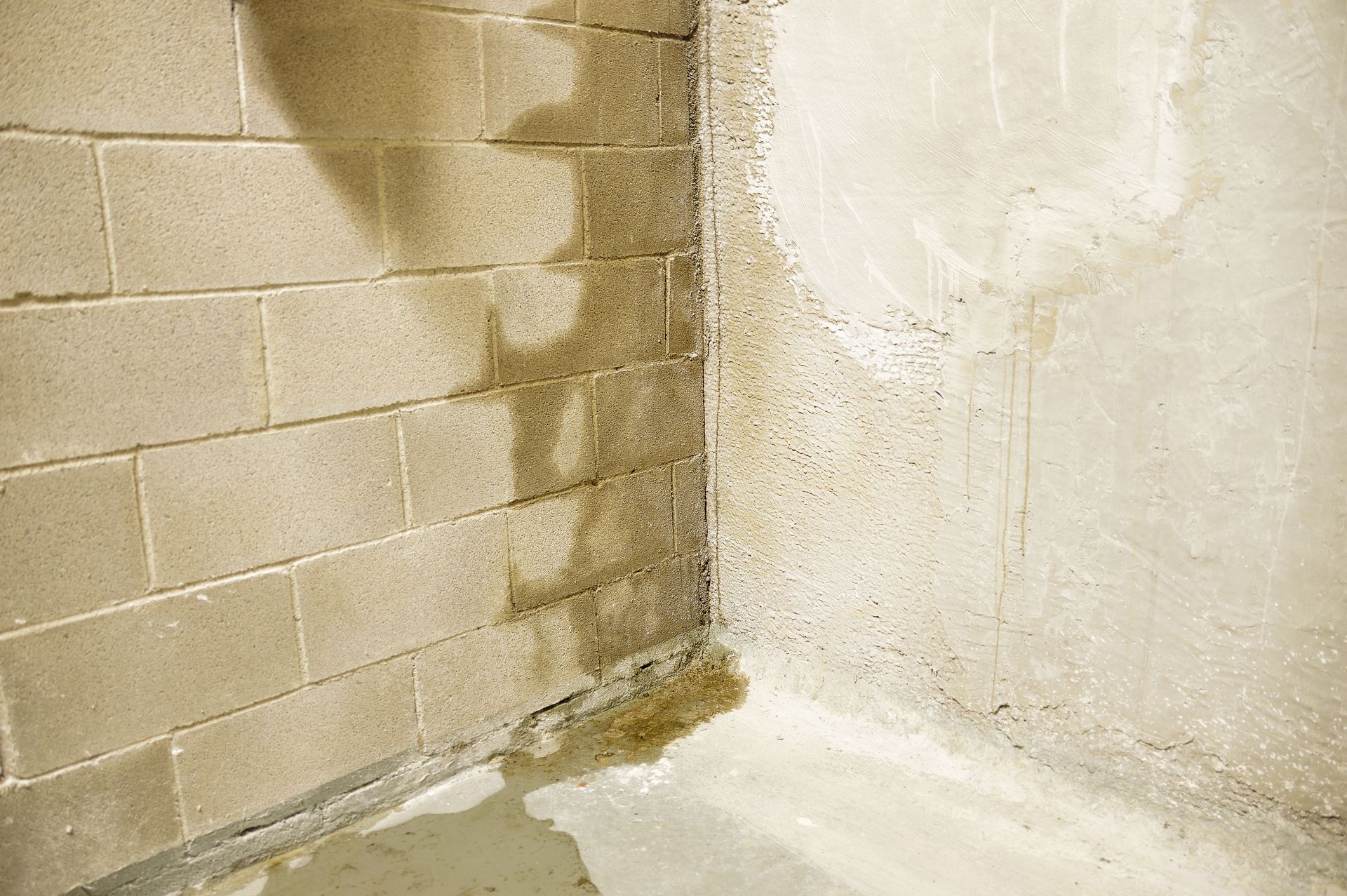
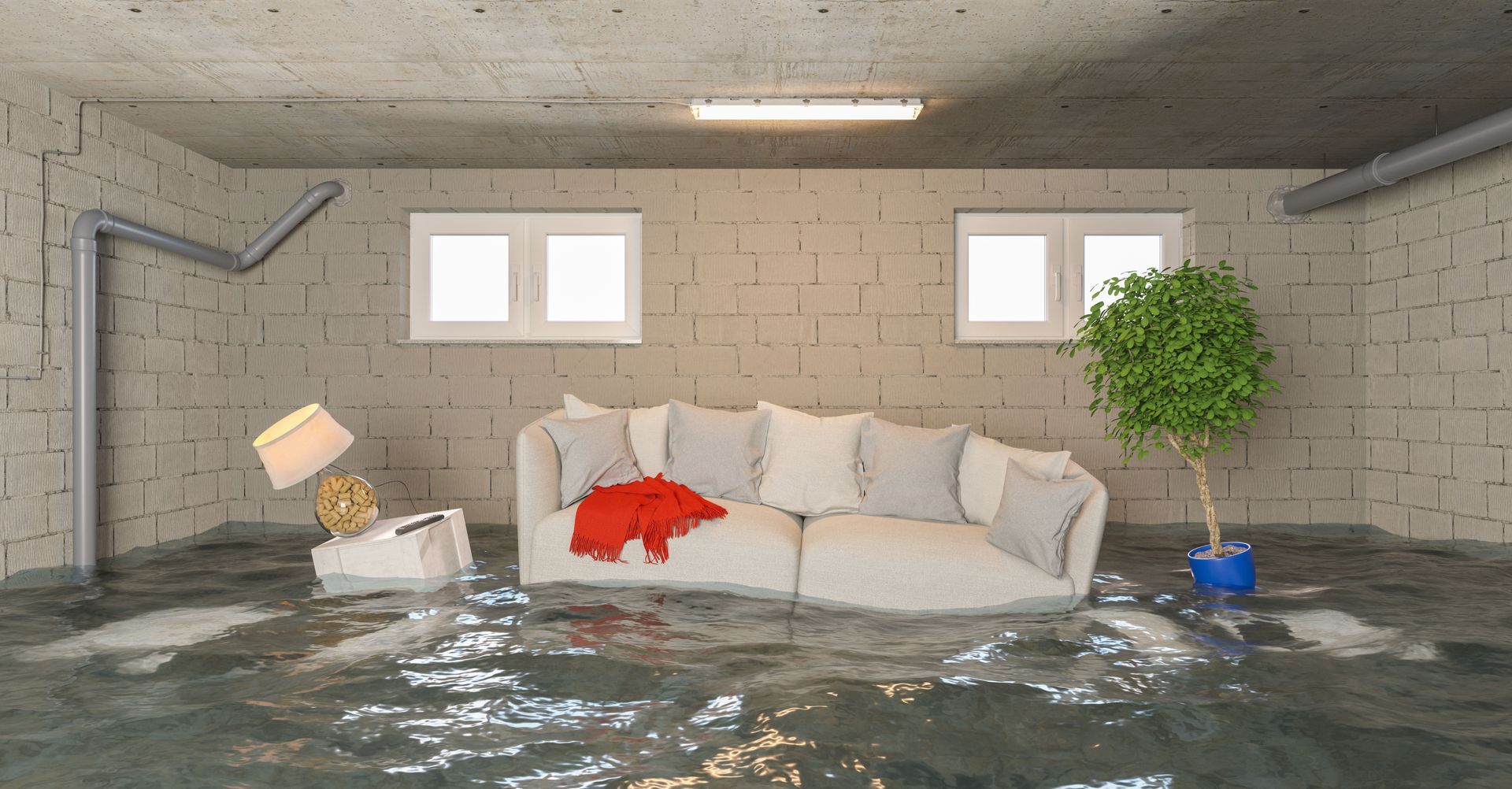
The most obvious warning that your property requires immediate professional attention is the physical presence of water pooling on your basement floor. After an intense thunderstorm or a rapid winter snowmelt, you may notice tiny streams trickling down the concrete or puddles forming in the corners. This occurs when hydrostatic pressure forces underground water through porous concrete or weak structural joints.
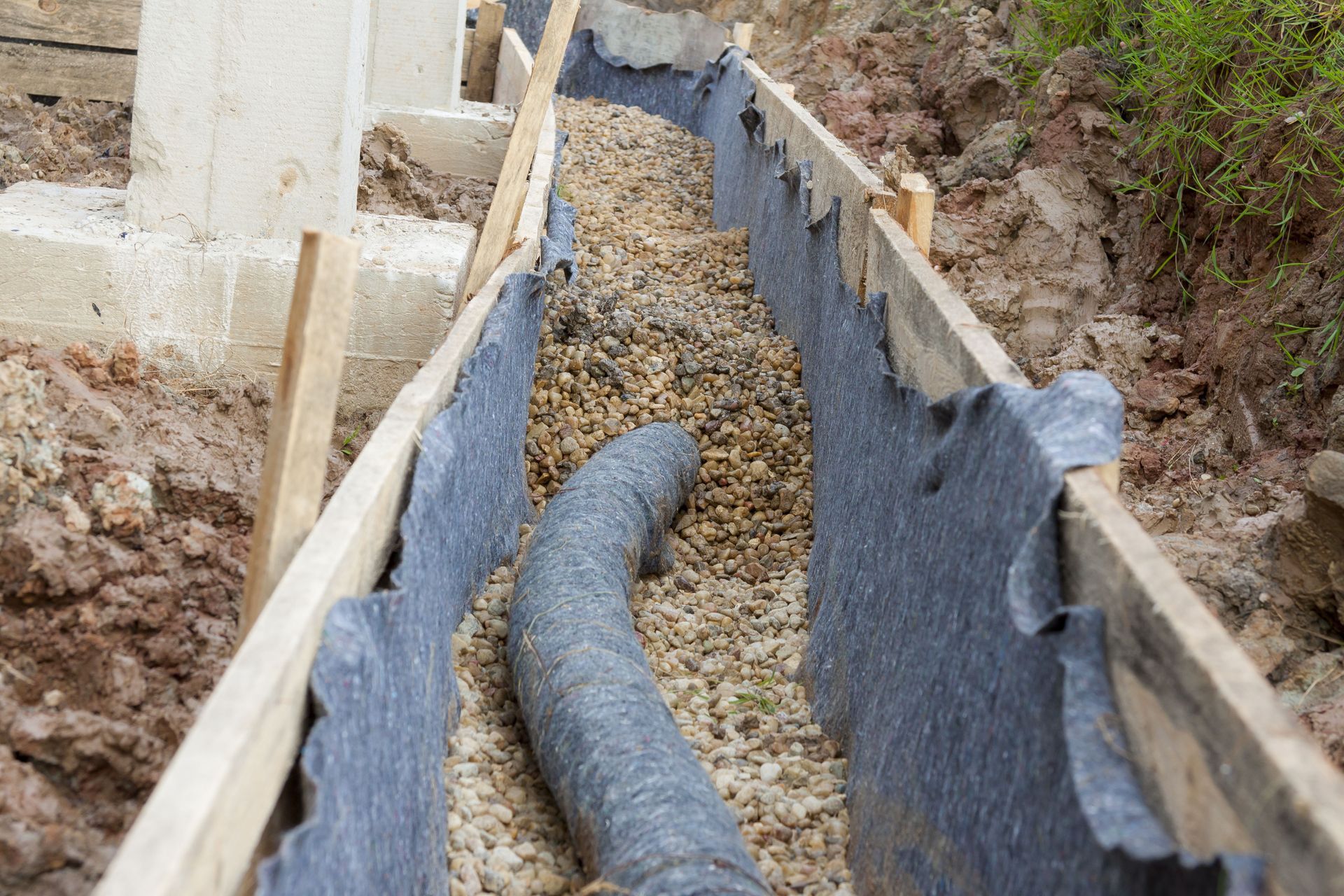
According to HomeGuide, a properly installed residential drainage and moisture barrier system can protect a home for ten to thirty years or even longer, with its true longevity heavily dictated by the quality of the materials, the precision of the installation, local soil compositions, and routine homeowner maintenance. If your current barriers are old or failing, water will inevitably find a path inside. Homeowners facing these structural vulnerabilities often require comprehensive foundation waterproofing to re-establish a reliable boundary against groundwater. Arranging for a prompt assessment ensures your home gets a modern basement drainage channel installation to manage water safely.
2. Tracking Wall Cracks and Displaced Mortar
As the earth around your home absorbs rainwater, it expands and exerts tremendous lateral pressure against your subterranean concrete walls. This relentless force can eventually cause the concrete blocks or poured structures to crack, bow, or shift out of alignment. While small hairline shrinkage cracks are common in newer homes, wide horizontal or stair-step fractures are clear indicators of a structural threat that demands foundation waterproofing to resolve permanently.
You should evaluate any structural openings by monitoring these specific behaviors:
- Look for active weeping: Check whether moisture actively seeps through the fissures during a heavy downpour.
- Measure the width change: Monitor if the gaps expand over a period of several months, which signals progressive shifting.
- Inspect the mortar joints: Examine block walls for crumbling mortar, loose pieces, or missing grout lines.
When water forces its way through these structural openings, it accelerates the degradation of the concrete and compromises the safety of your home. Addressing these flaws early with external or internal foundation drainage solutions stops the water before it compromises your safety.
3. Identifying Efflorescence and White Powdery Stains
Homeowners often notice a mysterious, white, chalky substance coating their masonry or concrete walls and mistake it for standard mold or mildew. This powdery residue is actually efflorescence, which consists of natural crystalline salt deposits left behind by evaporating moisture. As water travels through the porous concrete walls, it dissolves the internal minerals and carries them to the interior surface.
Once the traveling water evaporates into your indoor air, the minerals dry out and form a distinct, crusty white film along the perimeter. While efflorescence itself is not toxic or dangerous to touch, its presence serves as undeniable proof that you need exterior foundation waterproofing to halt the moisture movement. If you leave this underlying moisture migration unaddressed, the salt crystals will continue to expand within the tiny pores of your masonry, which eventually causes the concrete faces to flake, crumble, and spall.
4. Recognizing Persistent Musty Odors and High Humidity
You do not always have to see standing water to know that your lower living levels are suffering from severe moisture intrusion. A distinct, stale, musty smell that greets you at the top of the stairs is a classic indicator of hidden dampness. This unpleasant odor is produced by microbial volatile organic compounds released by hidden mold colonies growing behind your finished walls or beneath your carpets.
High indoor humidity levels also force your air conditioning system to work twice as hard to maintain a comfortable indoor temperature. When the relative humidity in your lower living spaces climbs past 55%, your home becomes an ideal breeding ground for dust mites, allergens, and toxic airborne spores. Implementing high-quality foundation waterproofing stops the capillary suction of moisture through the exterior walls, which lowers overall indoor humidity and restores clean, fresh air to your living space.
5. Finding Mold Growth on Walls and Belongings
Discovering dark green, black, or gray patches spreading across your structural walls, cardboard storage boxes, or wooden framing is a clear sign that your environment has far too much moisture. Mold spores exist naturally in the air, but they require a steady supply of organic material, stagnant air, and consistent dampness to colonize your home. A wet concrete wall provides the perfect backdrop for these colonies to thrive and multiply.
To safely evaluate your property for these biological hazards, look closely for these common problem areas:
- The base of your drywall: Inspect the bottom six inches of your wall boards for dark stains, water rings, or soft, crumbling spots.
- Behind stored furniture: Pull large boxes and shelving units away from the exterior walls to check for hidden growth.
- Along the wooden sill plates: Examine the wooden joists where your home's framing meets the top of the concrete foundation.
Encountering widespread mold means you need more than just a surface cleaner; you need to cut off the water supply completely with professional drainage channel service to ensure the fungi cannot return.
6. Observing Flaking Paint and Warping Baseboards
When moisture quietly penetrates finished lower-level living spaces, it quickly ruins your cosmetic upgrades and expensive finish carpentry. Standard latex paint applied to the interior face of a damp concrete wall will eventually bubble, peel, and flake away because the trapped water vapor destroys the adhesive bond. You may also notice fine white dust falling from the peeling sections as efflorescence pushes the paint film away from the masonry.
Similarly, wooden baseboards, trim pieces, and door frames will absorb the migrating groundwater, which causes the wood fibers to swell, warp, and rot. If you notice your baseboards pulling away from the drywall or turning a dark brown color along the floor, water is actively pooling behind the trim. Replacing the damaged wood without stopping the external water entry is an expensive exercise in futility, as the new materials will simply suffer the exact same fate within a few months.
Choosing Expert Waterproofing Solutions for Security
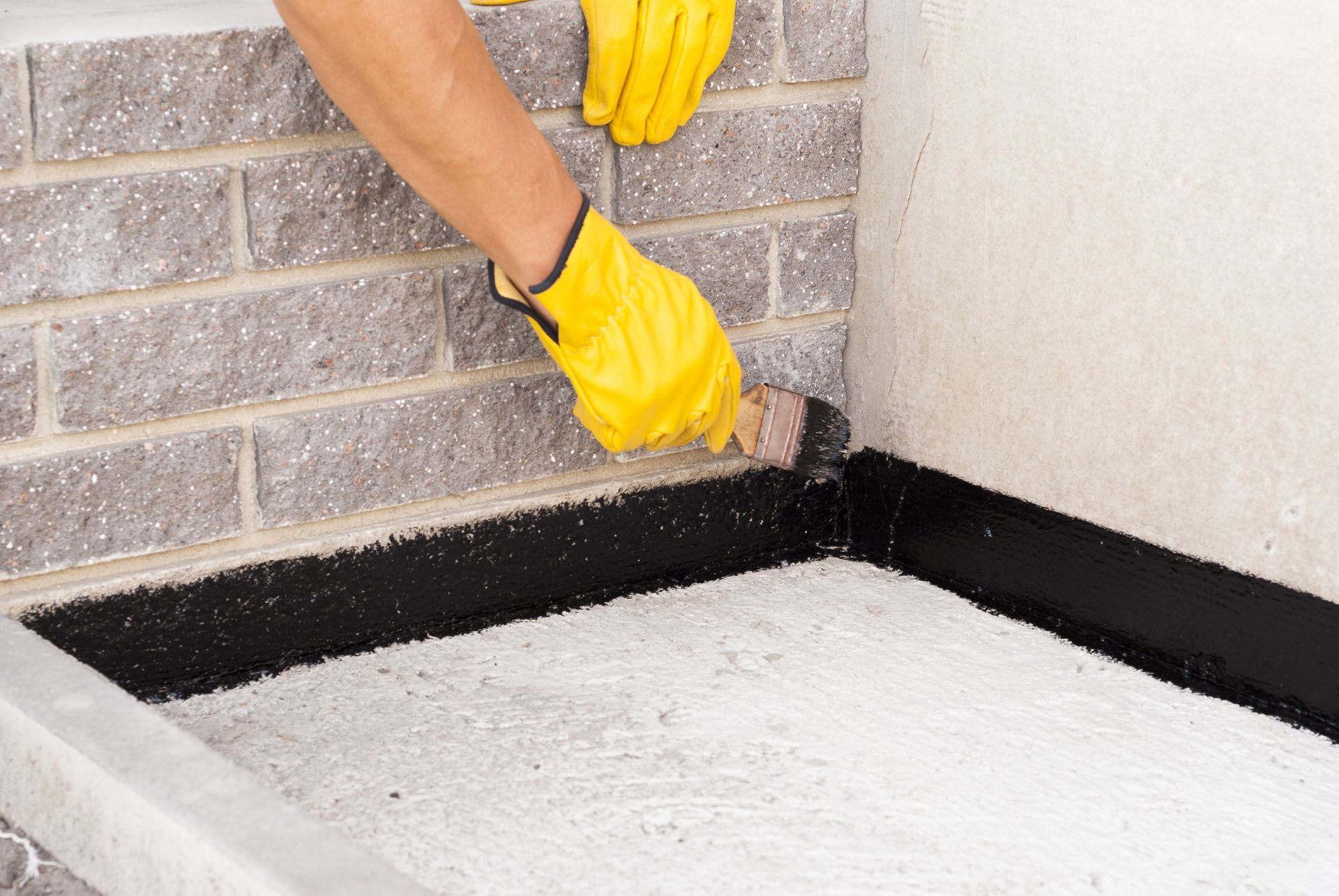
Attempting to resolve structural water entry with retail hardware store sealants or waterproof paints provides a temporary cosmetic fix that will inevitably fail under high hydrostatic pressure. Managing underground water requires heavy excavation, precise grading, commercial-grade sub-floor drainage installation, and specialized equipment that only trained contractors possess. Professionals can pinpoint the exact origin of a leak and design a customized matrix for your
foundation waterproofing that diverts water safely away from your living space permanently.
By investing in high-quality preventative maintenance and structural moisture control, you safeguard your property from dynamic shifting, preserve your interior finishes, and protect your family from toxic mold exposure. A dry, healthy lower level expands your usable square footage and increases the resale value of your home when it comes time to sell. For unmatched technical expertise, honest pricing, and permanent relief from wet concrete issues, contact Pro Dry Waterproofing LLC.