June 26, 2026
Protecting a residential property from moisture infiltration is a critical priority for homeowners, particularly those in regions with heavy downpours or frequent seasonal flooding. Water accumulation around a home foundation can lead to severe structural issues, compromised basements, and expensive restoration projects. To mitigate these significant risks, property owners frequently evaluate specialized residential drainage strategies designed to divert excess water safely away from vulnerable structures. Prominent options available for effective residential water management include French drains and mechanical drainage wells.
Selecting the most appropriate mechanism depends heavily on the specific vulnerabilities of your landscape and the architectural layout of your home. While some properties require a passive approach to manage surface runoff, others demand an active mechanical response to handle rising subterranean water tables. Implementing a proper water management strategy not only prevents immediate erosion but also contributes significantly to a secure, stable, and comfortable domestic living environment over time.
Understand French Drain Architecture
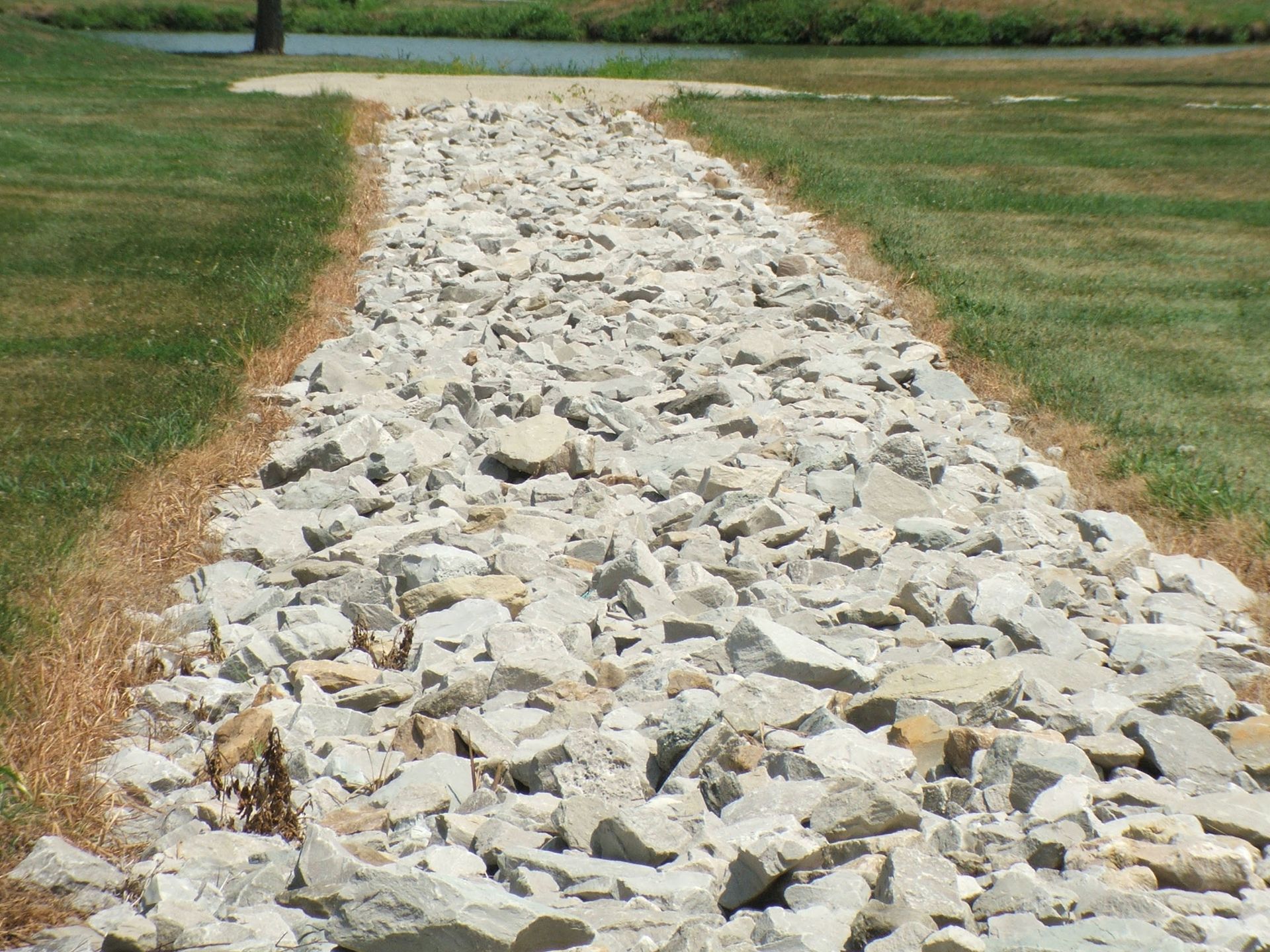
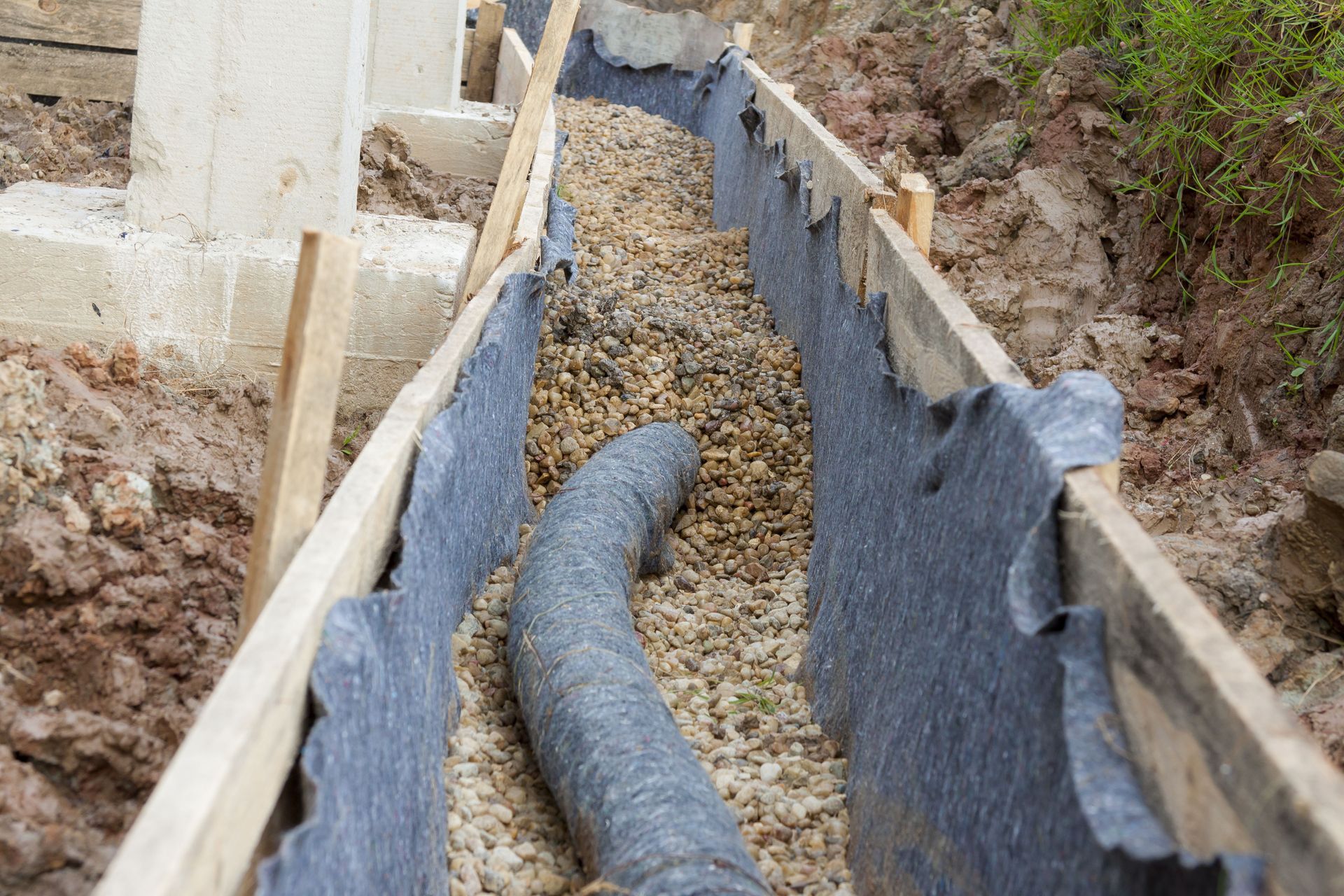
Subterranean gravel channels, commonly known as French drains, have served as a reliable method for managing excess groundwater for generations. Originally developed as basic agricultural trenches filled with simple stone, modern variations now incorporate perforated pipes wrapped in landscaping fabric to optimize water diversion capabilities. These systems operate entirely on the natural force of gravity, requiring no electrical power to channel moisture away from vulnerable home foundations. As water saturates the surrounding soil, it naturally seeks the path of least resistance, filtering through the gravel bed and entering the perforated pipe.
Implementing French drains proves exceptionally beneficial for properties situated on natural slopes or areas afflicted by dense clay soil that naturally resists water absorption. Property owners facing persistent surface water accumulation or pooling near exterior walls can utilize these sloped trenches to redirect runoff toward safe evacuation zones. The installation process requires careful site assessment to establish a consistent downhill gradient, ensuring steady fluid movement without mechanical assistance. Technicians excavate a dedicated pathway around the perimeter of the structure, lining the channel with permeable materials to support clean filtration.
Analyze Sump Pump Infrastructure
Mechanical extraction devices offer an active, highly responsive approach to managing water accumulation within below-grade domestic spaces like basements and crawl spaces. These systems are available in distinct configurations, including submersible models and pedestal models, depending on where the motor sits relative to the collection pit. Submersible units operate quietly beneath the water level inside a specialized basin excavated at the lowest point of the subterranean floor. Pedestal configurations position the motor safely above the basin, facilitating easier access for mechanical adjustments.
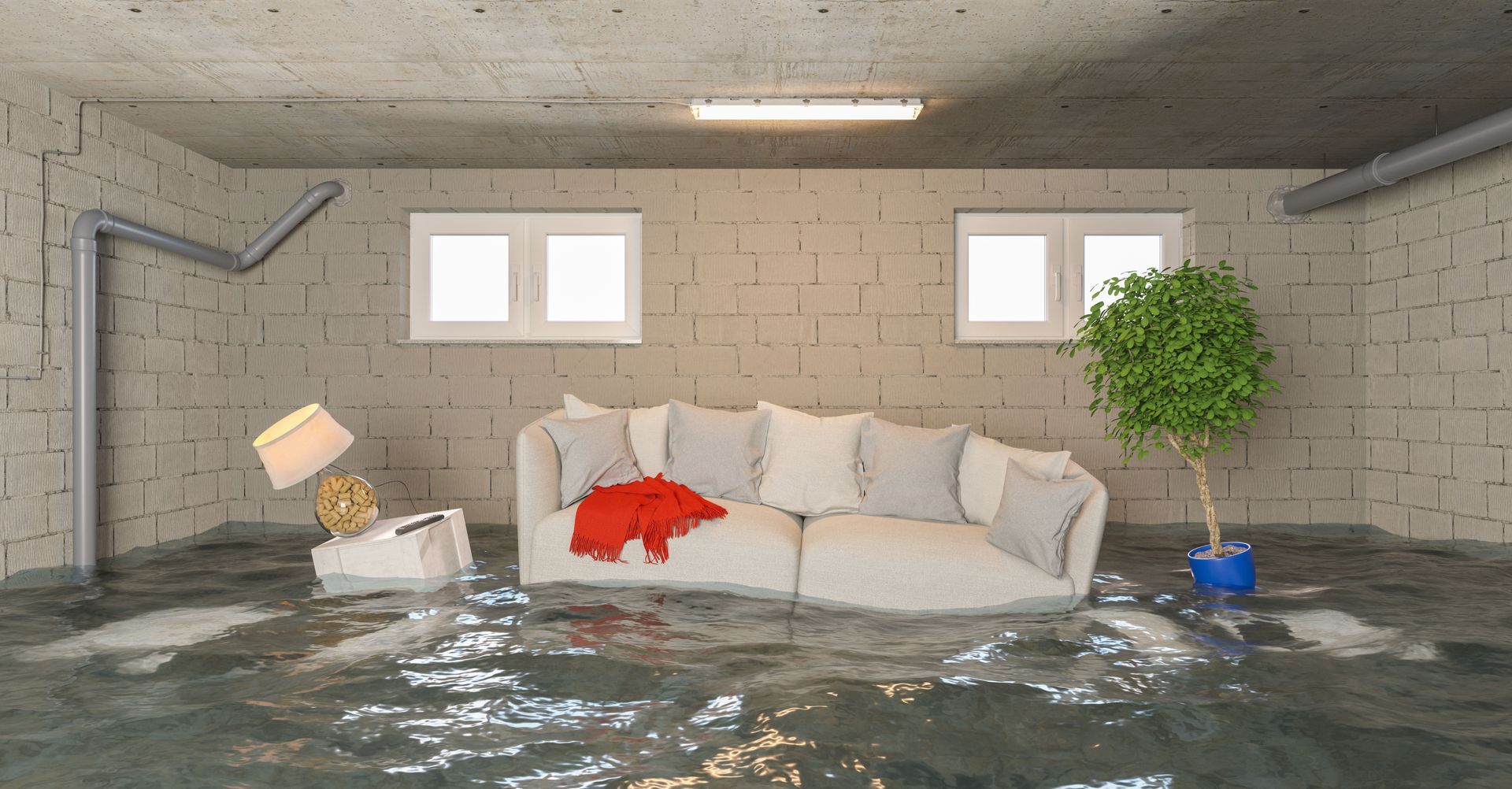
Utilizing a mechanical extraction system is ideal for homes built in low-lying geographic areas or regions with exceptionally high water tables where seepage occurs constantly. When intense storms cause rapid groundwater accumulation, these automated devices provide an immediate defense by rapidly evacuating water before it can flood interior living spaces. The installation process requires excavating a sturdy collection basin into the concrete floor, ensuring it aligns perfectly with the lowest elevation of the basement. Installers must carefully route the external discharge line far from the structure to prevent the expelled water from recycling.
Compare Heavy Storm Responsiveness
Evaluating how these distinct waterproofing methods perform during intense downpours reveals significant differences in their core operational strengths. A system utilizing French drains offers an excellent primary line of defense by capturing large volumes of surface runoff before it ever penetrates the home. This gravity-fed channel handles steady precipitation effortlessly without consuming electricity, making it immune to storm-related power grid failures. However, if an extraordinary deluge completely saturates the surrounding landscape, the passive capacity of the gravel channel might become temporarily overwhelmed.
Relying on a combination of both systems often yields the most robust residential defense against severe weather anomalies. While external French drains work continuously to reduce the overall volume of moisture pressing against the foundation walls from the outside, an indoor pump manages internal seepage. This dual-layered methodology ensures that even if an extreme storm tests the limits of gravity drainage, the active pump provides the necessary secondary security. Homeowners must examine their regional weather patterns to decide if a single approach suffices or if an integrated solution is required.
Assess Diverse Soil Conditions
Subterranean earth composition also influences the overall productivity of each waterproofing method, dictating how quickly moisture moves toward the drainage mechanisms. Properties surrounded by sandy, porous earth experience excellent results with French drains because water flows rapidly through the soil into the buried pipes. Conversely, heavy clay soils retain moisture stubbornly, slowing down the natural filtration process and reducing the immediate efficiency of passive systems. In these dense soil environments, a mechanical extraction unit proves superior because it forcefully draws collected water out of the basement pit regardless of external soil permeability.
Geological factors can also cause shifting hydrostatic pressure against basement walls, necessitating specialized solutions for long-term stabilization. When clay soil expands with water retention, it exerts immense pressure that can cause fine cracks to form in concrete foundations. Installing strategic French drains along the exterior perimeter can relieve this pressure by intercepting the moisture before it saturates the clay completely. For homes where the soil beneath the slab remains perpetually saturated, an interior mechanical pump is indispensable for direct relief.
Review Long-Term Maintenance Needs
Preserving the efficiency of these drainage systems involves periodic inspections to clear away accumulated sediment, organic debris, or intrusive root systems. Over time, fine dirt particles can restrict subterranean flow, making routine flushing necessary to maintain optimal permeability throughout the pipe network. According to HomeGuide, executing consistent upkeep ensures that interior French drains and motorized basement pumps retain their operational capabilities for 20 to 30 years. Investing in high-quality geotextiles and durable piping during the initial setup phase minimizes the need for frequent manual interventions.
Mechanical pumps require a more hands-on approach to upkeep compared to their passive subterranean counterparts. Homeowners should perform regular operational checks by pouring water into the collection basin to confirm that the float switch triggers the motor seamlessly. Cleaning out accumulated silt, sand, or mineral deposits from the bottom of the basin prevents mechanical blockages that could cause premature component failure. Because severe storms often cause widespread electrical outages, monitoring the health of emergency battery backup systems is equally vital for continuous basement protection.
Mitigating the risk of domestic moisture damage requires a clear understanding of your property's specific geographic vulnerabilities and architectural layout. Passive gravel channels provide a fantastic, energy-independent method for managing surface runoff and redirecting groundwater away from exterior walls naturally. Mechanical extraction units deliver the necessary power to combat rising water tables and prevent sudden basement flooding during severe weather events. By analyzing soil types, slope gradients, and historical weather patterns, you can select the precise configuration that matches your preservation goals.
Securing professional guidance remains the most reliable method for diagnosing complex drainage issues and implementing effective long-term solutions. Experienced technicians can accurately assess your property's topography to design a customized plan that effectively combines gravity-based filtration with advanced mechanical pumping. Investing in proactive moisture management protects your financial assets and enhances the comfort of your living space. If you are ready to secure your foundation against future storms, we invite you to consult with our expert team at Pro Dry Waterproofing LLC to implement the optimal home defense strategy today.